
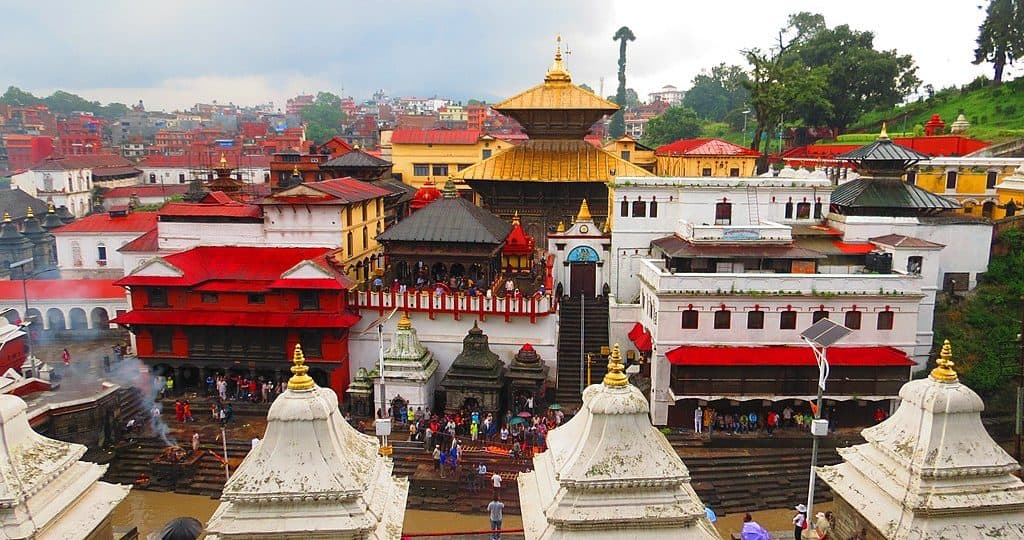
Nepal, nestled in the lap of the Himalayas, is not just a land of breathtaking mountains but also a country steeped in vibrant traditions, history, and cultural diversity. From centuries-old temples and palaces to unique festivals and rituals, Nepal’s cultural heritage is a living treasure that reflects the spirit of its people.
The Blend of History and Spirituality
Nepal is home to seven UNESCO World Heritage Sites in the Kathmandu Valley alone, each echoing ancient craftsmanship and spiritual depth. From the sacred Pashupatinath Temple to the awe-inspiring Boudhanath Stupa, these monuments stand as symbols of devotion, artistry, and resilience. Every structure tells a story, blending Hindu and Buddhist influences that have shaped the nation for centuries.
Festivals That Unite Communities
Culture in Nepal comes alive through its festivals. Dashain and Tihar highlight family bonds and prosperity, while Holi adds vibrant colors of joy. In Buddhist traditions, celebrations like Buddha Jayanti and Losar showcase Nepal’s spiritual richness. These festivals are not only religious gatherings but also moments of togetherness that preserve and pass down traditions.
Arts, Crafts, and Living Traditions
Nepali culture thrives in its handmade crafts, traditional music, and folk dances. From intricate Paubha and Thangka paintings to wood carvings and metalwork, artisans continue centuries-old practices that represent identity and belief. Traditional instruments like the Madal and Sarangi bring life to local music, keeping the rhythm of heritage alive.
The Cultural Heart Beyond Cities
While Kathmandu, Bhaktapur, and Patan showcase majestic monuments, rural Nepal holds equally rich traditions. Village life is woven with rituals, hospitality, and folklore. Here, one can truly experience the authentic Nepali lifestyle, where culture is lived every day, not just celebrated on occasions.
Preserving the Legacy for the Future
Modernization and globalization pose challenges, yet Nepal remains deeply connected to its roots. Efforts in heritage preservation, sustainable tourism, and cultural education ensure that the future generations continue to value and celebrate the country’s identity.
Conclusion
Nepal’s cultural heritage is more than monuments and festivals—it is a way of life that connects the past with the present. Exploring it is not just about sightseeing, but about experiencing the warmth, spirituality, and creativity of a nation that continues to inspire the world.