

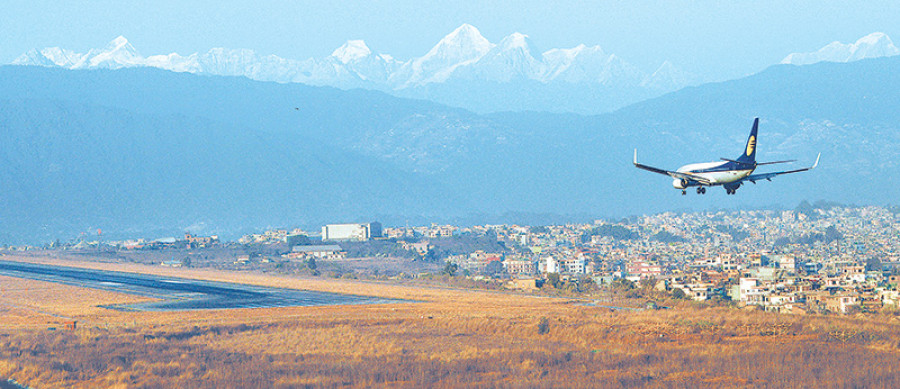
As the festival season approaches, the skies above Nepal are filled with returning flights, carrying thousands of Nepalis eager to reunite with their loved ones. Dashain, Tihar, and Chhath — the most cherished festivals in Nepal — are more than just holidays; they are moments of family, culture, and tradition. For many migrant workers who spend years away from home, these celebrations become the perfect time to come back, even if only for a short while.
A Mass Return for Dashain
According to Nepal’s Department of Immigration, more than 100,000 Nepalis have already returned to the country in the past two weeks alone. Officials estimate that since the start of the Nepali month of Ashoj, the number of homecoming citizens has steadily risen. Director Tikaram Dhakal from the Immigration Department reported that inbound flights are packed daily with Nepali passengers eager to reach home before the main festival days.
On a single Sunday, for example, 10,398 people landed at Tribhuvan International Airport, of which 7,448 were Nepali nationals. The story is similar at land border points such as Mechi, Birgunj, Bhairahawa, and Kodari, where the return flow remains equally high.
This trend, Dhakal notes, is expected to continue until the day of Tika, when families gather to receive blessings from elders. “Dashain is considered the greatest festival for Nepalis. No matter how many years one has spent abroad, everyone longs for this chance to return and celebrate with their families,” Dhakal explained.
Family Bonds Stronger Than Distance
The stories of returnees carry a common thread: the longing to bridge the distance with family. For two years or more, many have been away working in foreign lands to support their loved ones back home. Dashain becomes not only a cultural celebration but also a moment to heal the ache of separation.
Families eagerly wait for their sons, daughters, nephews, and nieces, who had been away to earn for household needs. Those unable to secure airline tickets in time hope to arrive at least by the full moon day, so they can still receive blessings and tika from elders.
Even if they cannot make it for Dashain, many still plan to return for Tihar and Chhath, festivals that hold their own significance. In the Terai region, Chhath is celebrated with even greater grandeur than Dashain itself, and youths from Madhesh Province are already preparing to return home for the occasion.
The Scale of Nepali Migration
The migration numbers highlight why these seasonal returns feel so massive. More than three million Nepalis are estimated to be working in labor destination countries such as Qatar, the United Arab Emirates, Kuwait, Malaysia, Japan, Korea, and Romania. Beyond labor migration, thousands of others live in countries like Australia, the United States, and across Europe for study or skilled work.
For these communities, traveling back as a whole family is often financially difficult due to high airfare. Many instead rotate visits: one year a parent may go, another year children might travel. Yet the emotional bond remains, and most try to ensure that at least one family member can make the journey home during the festive season.
Srijana Nyaupane, who lives in the United States, expressed this sentiment: “I cannot travel this year myself, but I am sending my son and daughter to Nepal for Dashain and Tihar. They will get to celebrate with their grandparents and experience the culture.”
Life Back in the Villages
Those who have already returned are bringing new energy to their hometowns. Village squares once again echo with the laughter of children playing traditional swings like lingey ping and rote ping. For returnees, these small experiences bring back the nostalgia of their childhoods, something they miss while working abroad.
Conversations in tea shops and family gatherings often revolve around stories of struggle and survival in foreign countries. Some share the hardships of long hours of labor; others speak about the joys of earning enough to build a home or educate their children.
For youths who have not yet migrated, these stories become both inspiration and caution. Some see opportunities to learn about how to find work abroad, while others hear the struggles and think twice before leaving.
Preparing for Safer Journeys Abroad
Recognizing these challenges, Nepal’s Department of Foreign Employment regularly reminds aspiring migrant workers to follow proper procedures. The department advises people to apply only through licensed recruitment agencies, to acquire necessary skills before leaving, and to keep documents safe. They also stress knowing where to contact in case of trouble abroad. These precautions are vital to avoid falling prey to exploitation.
Festivals as Cultural Anchors
Despite the financial, social, and emotional challenges of migration, festivals like Dashain remain cultural anchors that pull Nepalis back to their roots. Beyond rituals, these festivals symbolize togetherness, blessing, and renewal. Families not only celebrate but also reaffirm their connection to their homeland and traditions.
Whether it is returning to receive tika from elders, lighting lamps during Tihar, or offering prayers during Chhath, these festivals help maintain a sense of identity for a nation so deeply connected to its diaspora. Even those who cannot physically return ensure that their children get the chance, thereby keeping cultural continuity alive.
In My View
Dashain is the biggest festival for Hindu followers in Nepal, but it is celebrated and enjoyed by people of many faiths. Buddhists also take part in the festivities, while communities of other religions, such as Christians, join in by sharing food, enjoying the public holidays, visiting relatives, and even organizing mass prayer gatherings. This inclusive spirit makes Dashain not only a religious event but also a cultural celebration that unites people across traditions.
For those working abroad, these festival is not just holidays but powerful reminders of why they endure the hardships of migration: for family, for tradition, and for the sense of belonging that no foreign land can replace.
In the end, no matter how far they travel, the call of home — especially during Dashain — remains impossible to ignore.