
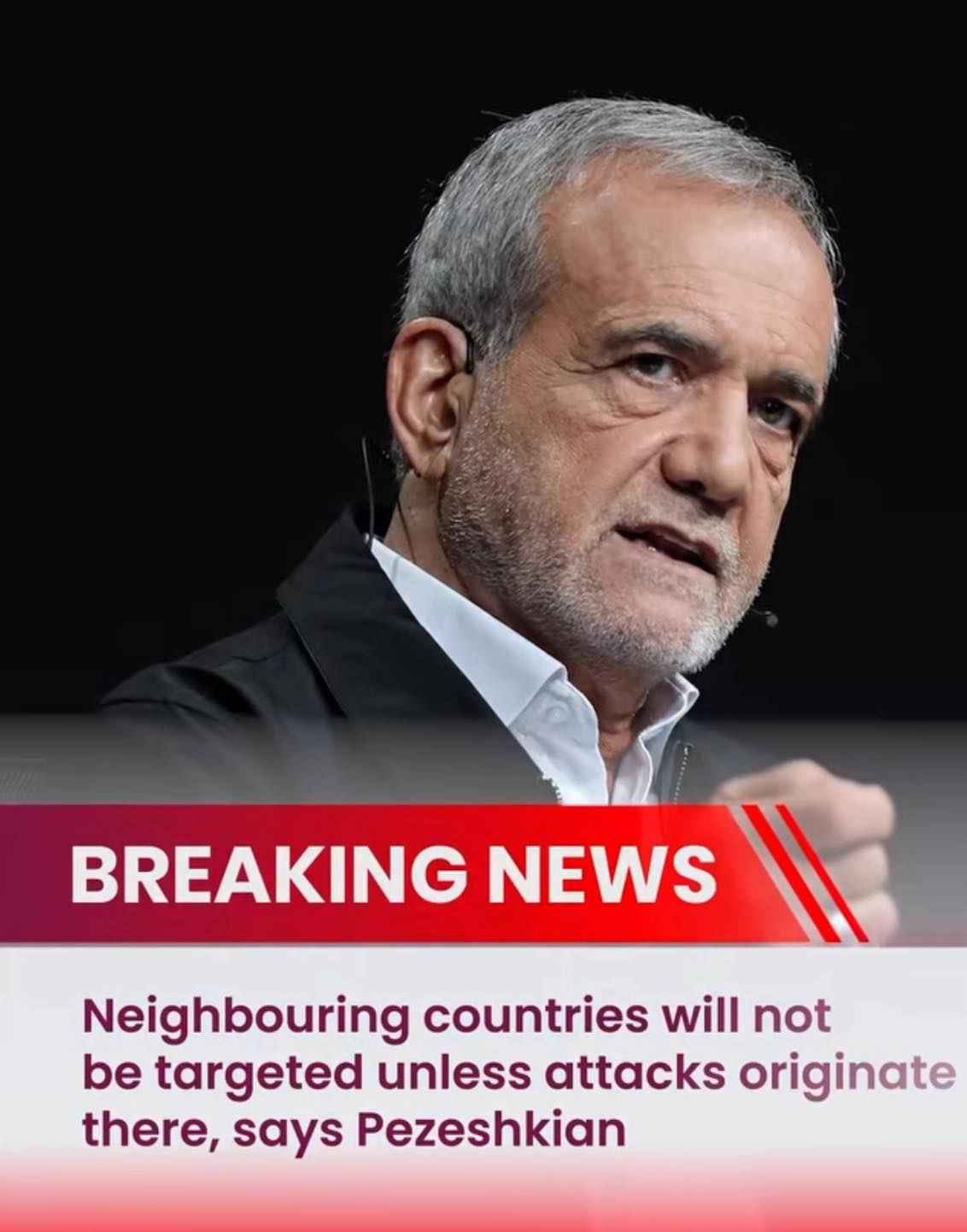
The Middle East feels more unpredictable than ever right now. After a wave of missile and drone attacks linked to Iran in several Gulf countries, Iranian President Masoud Pezeshkian surprised everyone by openly apologizing to neighbors like the UAE, Saudi Arabia, Bahrain, and Qatar. He tried to smooth things over, but even as the apology played out, new attacks popped up across the region. So, people aren’t sure what to make of it—there’s a real sense of confusion about where this conflict is headed, and millions of expats and travelers in the Gulf are getting nervous. Pezeshkian claimed Iran isn’t out to target nearby countries, unless someone attacks Iran from their soil. He even hinted that some strikes happened because of chaos or a lack of control over Iran’s military, thanks to recent turbulence in the leadership. Still, the reality on the ground feels tense.
Just hours after Pezeshkian’s apology, several Gulf countries sounded missile alerts and reported intercepts. Airports like Dubai’s felt the impact, with flights briefly disrupted, reminding everyone how quickly this stuff spills into everyday life and international travel.
Impact on Air Travel and Tourism
Aviation feels the effects of these tensions right away. The Gulf has some of the world’s busiest international airports—think Dubai, Doha, and Abu Dhabi. When missile alerts or security threats pop up, airspace can close temporarily, flights get rerouted, and delays pile up. Travelers get hit with longer flights, shuffled schedules, and all the stress that comes with not knowing if their trip will go as planned. Airlines have to scramble too. They change routes to avoid danger zones, which adds to both flight times and costs. After attacks near big airports, some even pause flights altogether.
Thousands of flights have been canceled, causing huge losses to many countries. Passengers are stranded in several countries airports. If his statement is implemented, airlines will get great relief.
Concerns for Migrant Workers
The real worry isn’t just about tourism or planes—it’s about the millions of foreign workers living in the Gulf. Places like UAE, Qatar, Saudi Arabia, and Kuwait count on huge numbers of migrants from South Asia: folks from Nepal, India, Bangladesh, and Pakistan make up whole communities.
When things heat up—missile sirens or signs of trouble—these workers are the first to feel it. Most of them work on construction sites, in factories, or service jobs where safety isn’t nearly as robust as you’d find in government offices or military bases. An emergency siren, a civil defense alert, messed-up transport—they don’t just cause chaos, they spark real fear about both safety and keeping a job.
The anxiety doesn’t stop there. If military tension starts messing with oil facilities, ports, or airports, the Gulf’s whole economy shakes. That creates a ripple effect: governments and companies might hit pause on projects, slow down hiring, or cut back, and migrant workers feel the impact right away. Their futures depend on how steady things stay, and they know it.
What This Means for Nepali Workers
Nepal relies heavily on the Gulf region for jobs. The money Nepali workers send home keeps the economy afloat. If the Gulf faces long-lasting turmoil, that messes with job stability, cuts off money flow, and shrinks future work options.
When things get tense, governments and embassies jump in. They warn people not to travel unless absolutely needed. Those already working in the Gulf get told to follow safety rules and stay tuned to any official updates.
A Region Balancing War and Diplomacy
Pezeshkian’s apology says a lot about how complicated politics in the Middle East can get. Sure, it looks like he wants to calm things down with neighboring countries, but at the same time, the ongoing attacks show that nobody really knows what’s coming next.
So what does this mean for travelers, migrant workers, and businesses tied to the Gulf? The next few weeks matter a lot. If talks work out, things could settle down fast. If not, trouble in the region won’t stay local—it’ll show up in global travel, jobs, and the economy.
Right now, millions living and working in the Gulf just keep going about their daily lives, all while a conflict that once felt distant suddenly feels much closer.
Some Sources from International Media