
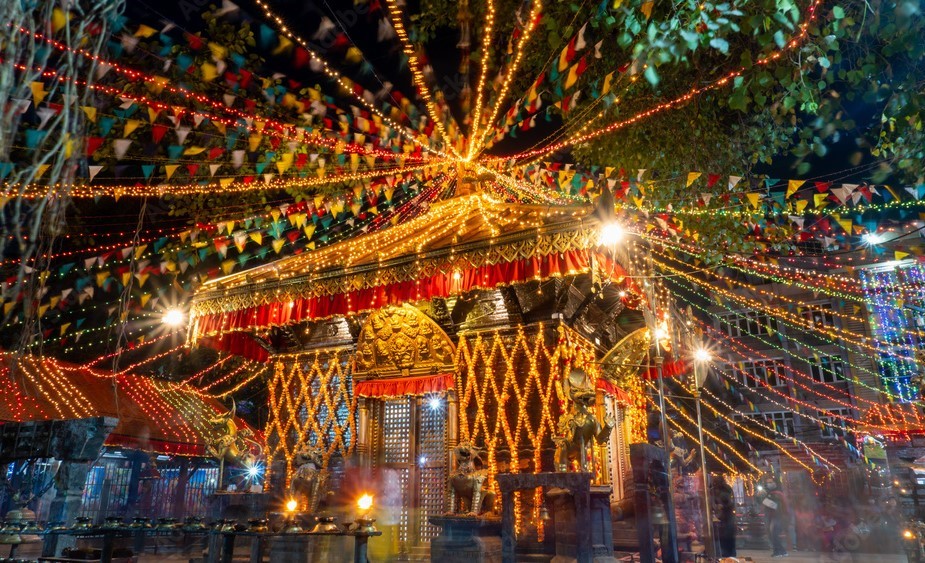
Festivals have always been a cornerstone of culture, offering a glimpse into a community’s beliefs, traditions, and shared joys. In South Asia, and particularly in Nepal, the way festivals are celebrated is evolving. Modern celebrations now coexist with age-old traditions, creating both opportunities and challenges for cultural preservation.
The Charm of Traditional Celebrations
Traditional festivals like Dashain, Tihar, and Holi are deeply rooted in religious rituals, local customs, and family-oriented practices. They emphasize community bonding, spirituality, and cultural heritage, with ceremonies, prayers, and family gatherings forming the core of the celebration. These festivals are rich in symbolism, reflecting centuries of history and values passed down through generations.
The Rise of Modern Festivals
Modern festivals and celebrations have emerged in response to globalization, urban lifestyles, and social media influence. Events such as music festivals, food fairs, and city-wide public celebrations incorporate entertainment, commercial activities, and contemporary elements. They often attract younger audiences and tourists, offering a vibrant, colorful, and dynamic experience that complements traditional rituals.
Striking the Right Balance
While modernization brings excitement and inclusivity, it also poses a risk of diluting the authenticity of traditional practices. Finding balance means honoring heritage while embracing innovation. Communities can integrate contemporary entertainment and technology without losing the spiritual essence, ensuring festivals remain meaningful and culturally relevant.
Benefits of Balancing Tradition and Modernity
-
Preservation of cultural identity alongside contemporary appeal
-
Increased tourism and awareness of local traditions
-
Engagement of younger generations in cultural practices
-
Sustainable celebrations that respect both heritage and modern lifestyles
Conclusion
Modern and traditional celebrations are not mutually exclusive—they can coexist harmoniously. By respecting age-old rituals while welcoming new ideas, communities can ensure festivals remain vibrant, inclusive, and meaningful. Experiencing this balance offers travelers a unique perspective on how cultures evolve while staying true to their roots.