
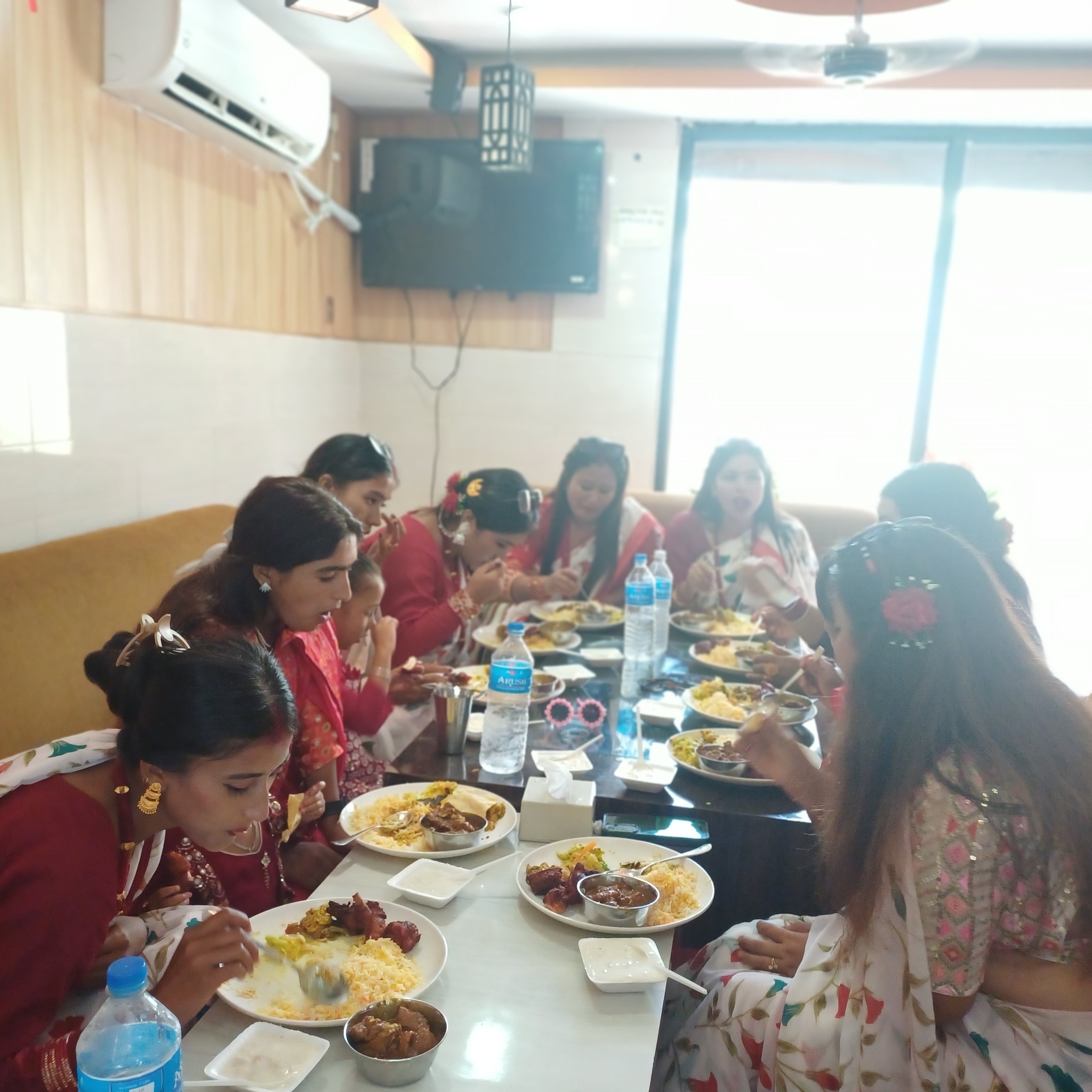
The vibrant festival of Teej is here again, bringing joy, music, and tradition to Nepali women across the world. This year, Teej falls on 26 August 2025, but the celebrations have already begun. Throughout this week, women are gathering together, organizing parties, and raising funds so that everyone can share in the happiness of the occasion.
Teej is more than just a festival in Nepal—it is a cultural expression of womanhood, sisterhood, and devotion. Traditionally, Teej is dedicated to Goddess Parvati, who is worshipped for marital happiness, well-being of the family, and spiritual strength. Married women observe fasting for the long life of their husbands, while unmarried women pray for a good life partner.
But over the years, Teej has also become a social celebration. Nepali women, whether at home or abroad, wear beautiful red saris, sing folk songs, and dance together. They organize gatherings where everyone contributes money to arrange food, music, and a joyful environment. These parties are not just about entertainment—they are also about unity, sharing, and keeping Nepali culture alive even far from home.
During this festival, women enjoy special delicacies, sing traditional Teej songs, and dance late into the evening. The laughter, the red attire, and the togetherness create an unforgettable atmosphere. Teej has thus become both a religious and cultural festival, celebrating love, family, and community spirit.
As Nepali women celebrate Teej 2025, the festival continues to remind us of the richness of our traditions and the importance of togetherness. Whether in Nepal or abroad, Teej brings women closer, strengthens bonds, and fills the air with happiness.
With time, the way of celebrating Teej has changed. So, what are the differences between Teej in the past and Teej now?
Teej around 15 years ago
In the past, Teej was celebrated by following traditions passed down from fathers and grandfathers. Whether rich or poor, from the city or the village, all women celebrated with joy. The songs of Teej often reflected words of sorrow. Singing, dancing, dressing up, and meeting relatives were all done in the traditional way. Friendships, love, and cultural values were deep and strong.
On the night before the main Teej day, married daughters would return to their parental home and enjoy a delicious feast. The meal included meat, fruits, sel roti, and chamre (a traditional dish). At that time, food was not available in abundance, so these dishes were prepared to warmly welcome the daughters. Before dawn, even before the rooster crowed, women would wake up, eat a special meal, and then begin fasting. They would observe the fast all day long without eating anything.
In the morning, sisters and women from the village and neighborhood gathered together and performed Teej dances. The songs expressed the hardships and sorrows they faced in their marital homes. Many women would even break down in tears while listening to those songs.
Modern Teej now