
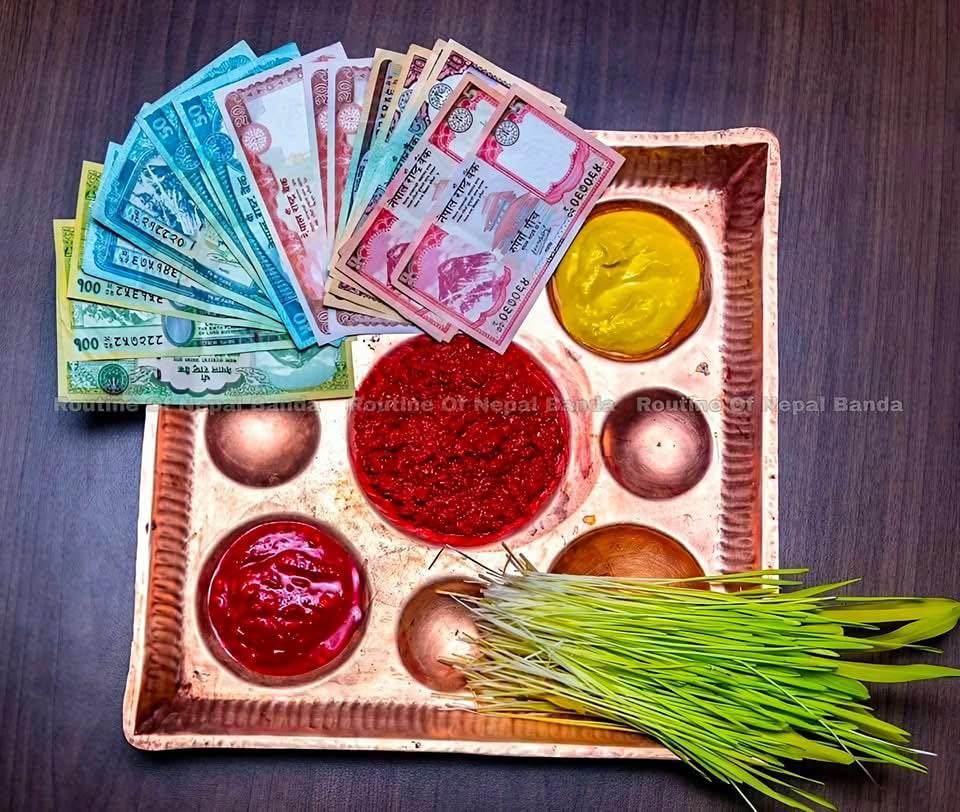
Dashain, the biggest and most cherished festival of Nepalis, is just around the corner. This year, the auspicious day of Tika falls on Ashoj 16 (October 2). Every year, families across Nepal prepare with joy, excitement, and religious devotion, as this festival represents victory, blessings, and unity. However, Dashain 2025 feels different. The shadow of the recent Gen Z protests has left the country grappling with political instability, economic loss, and social unease.
For millions of Nepalis, the festive mood has been dampened. While the tradition of family gatherings, worship, and tika continues, the celebrations are likely to be more subdued compared to previous years.
The Cultural Significance of Dashain
Dashain, also known as Vijaya Dashami, is celebrated to mark the victory of Goddess Durga over the demon Mahishasura, symbolizing the triumph of good over evil. It is also closely linked to the epic tale of Lord Rama’s victory over Ravana in the Ramayana.
The festival usually lasts for 15 days, starting with Ghatasthapana and ending on Kojagrat Purnima. Families clean and decorate their homes, sow jamara (maize seeds), and perform rituals to honor Goddess Durga. The highlight of Dashain is on the 10th day, when elders place tika (a mixture of rice, yogurt, and vermillion) and jamara on the foreheads of younger family members, blessing them with prosperity, health, and longevity.
Traditionally, Dashain is also a time when families purchase new clothes, enjoy feasts of meat and delicacies, and rural villages echo with the sounds of kites, swings (ping), and laughter. For migrant workers abroad, it is a time when many return home to reunite with loved ones.
A Festival in Troubled Times
Despite its joyous meaning, Dashain 2025 arrives at a time of hardship. The Gen Z protest movement, which demanded political reforms and accountability, brought significant changes to the nation. The old government was toppled, but in the process, public and private properties were damaged, businesses were destroyed, and thousands of jobs were disrupted.
The protests left scars on the economy. Shops that once bustled with Dashain shoppers are quieter, and many small business owners say their sales are down compared to previous years. Families struggling with unemployment or financial uncertainty are unable to celebrate with the same enthusiasm as before.
On the other hand, those in positions of power, especially individuals from the former government, seem less affected. Their security, wealth, and privileges shielded them from the hardships faced by the majority of ordinary citizens. This inequality has added to the sense of frustration among the public.
Emotional and Social Impact
For many families, Dashain has always been a time of joy and reunion. Yet this year, conversations around the dinner table are likely to include reflections on loss, uncertainty, and the direction of the nation’s future. The trauma of political instability and the destruction caused during protests cannot be ignored.
Still, Nepalis are resilient. Festivals like Dashain are deeply rooted in tradition, and even in difficult times, people try to find comfort in rituals and cultural practices. While some families may celebrate on a smaller scale, the spiritual essence of Dashain—seeking blessings, strengthening family ties, and hoping for better days ahead—remains intact.
Rituals of Dashain: Day by Day
1. Ghatasthapana (Ashoj 6 / September 22)
Dashain begins with Ghatasthapana, the day when people sow jamara (barley seeds) in a sacred pot filled with sand and cow dung. The pot, called a ghada, symbolizes Goddess Durga. The jamara is watered daily and kept in a dark room, where it grows yellowish and is later used as a blessing on Vijaya Dashami.
2. Phoolpati (Ashoj 13 / September 29)
Phoolpati, meaning “flowers and leaves,” marks the day when families begin to reunite. Traditionally, a royal procession used to bring sacred flowers, banana stalks, and jamara from Gorkha to Kathmandu as offerings to Goddess Durga. Even today, this tradition continues symbolically, while families across the country prepare for the main celebrations.
3. Maha Ashtami (Ashoj 15 / October 1)
Maha Ashtami is one of the most significant days of Dashain. On this day, devotees worship Goddess Durga in her fierce forms. Animal sacrifices such as goats, chickens, and buffaloes are offered in temples and households to please the goddess. The meat from the sacrifices, known as prasada, is later shared among family members as a sacred blessing.
4. Maha Navami (Ashoj 15 / October 1 Evening & Night)
Maha Navami is the ninth day of Dashain. It is considered the peak of Durga’s power. Tools, vehicles, and instruments are worshipped in a ritual called Ayudha Puja, where people believe that honoring their instruments will bring success and protection. Many households also sacrifice animals on this day, while temples remain crowded with devotees.
5. Vijaya Dashami / Tika Day (Ashoj 16 / October 2)
Vijaya Dashami, the 10th day, is the most important day of Dashain. Elders put tika (a mixture of rice, yogurt, and vermillion) and jamara on the foreheads of younger family members, blessing them with long life, prosperity, and success. Families and relatives gather together, exchange gifts, and share festive meals.
6. Kojagrat Purnima (Ashoj 21 / October 7)
The festival concludes on Kojagrat Purnima, the full moon day. It is believed that Goddess Laxmi, the goddess of wealth, roams the earth on this night. People stay awake, light lamps, and pray for prosperity. With this day, the 15-day-long Dashain festival officially ends.
Lessons for the Future
Dashain 2025 is a reminder that festivals do not exist in isolation; they are deeply connected to the nation’s political and economic realities. The joy of the festival is clouded when people feel insecure about their jobs, income, and stability.
At the same time, this year’s Dashain also highlights the importance of unity. Just as Goddess Durga’s victory symbolizes the power of good over evil, Nepalis can take inspiration to rise above political turmoil, corruption, and inequality. The spirit of Dashain teaches resilience, faith, and the hope that better days are possible.
In My view
This year, Dashain will not be celebrated with the same grandeur as in the past. The economic slowdown, political instability, and social unrest have all cast a shadow on the celebrations. Yet, the festival’s core values—blessings, family unity, and cultural pride—will continue to shine.
For many, Dashain 2025 will be more about reflection than indulgence. It is an opportunity to look beyond immediate struggles and embrace the deeper meaning of the festival: the belief that, no matter how difficult the times, good will eventually triumph over evil, and light will follow darkness.
As families gather for tika on Ashoj 16, they will not only share blessings but also the collective hope that Nepal emerges stronger, more united, and more prosperous in the days to come.