
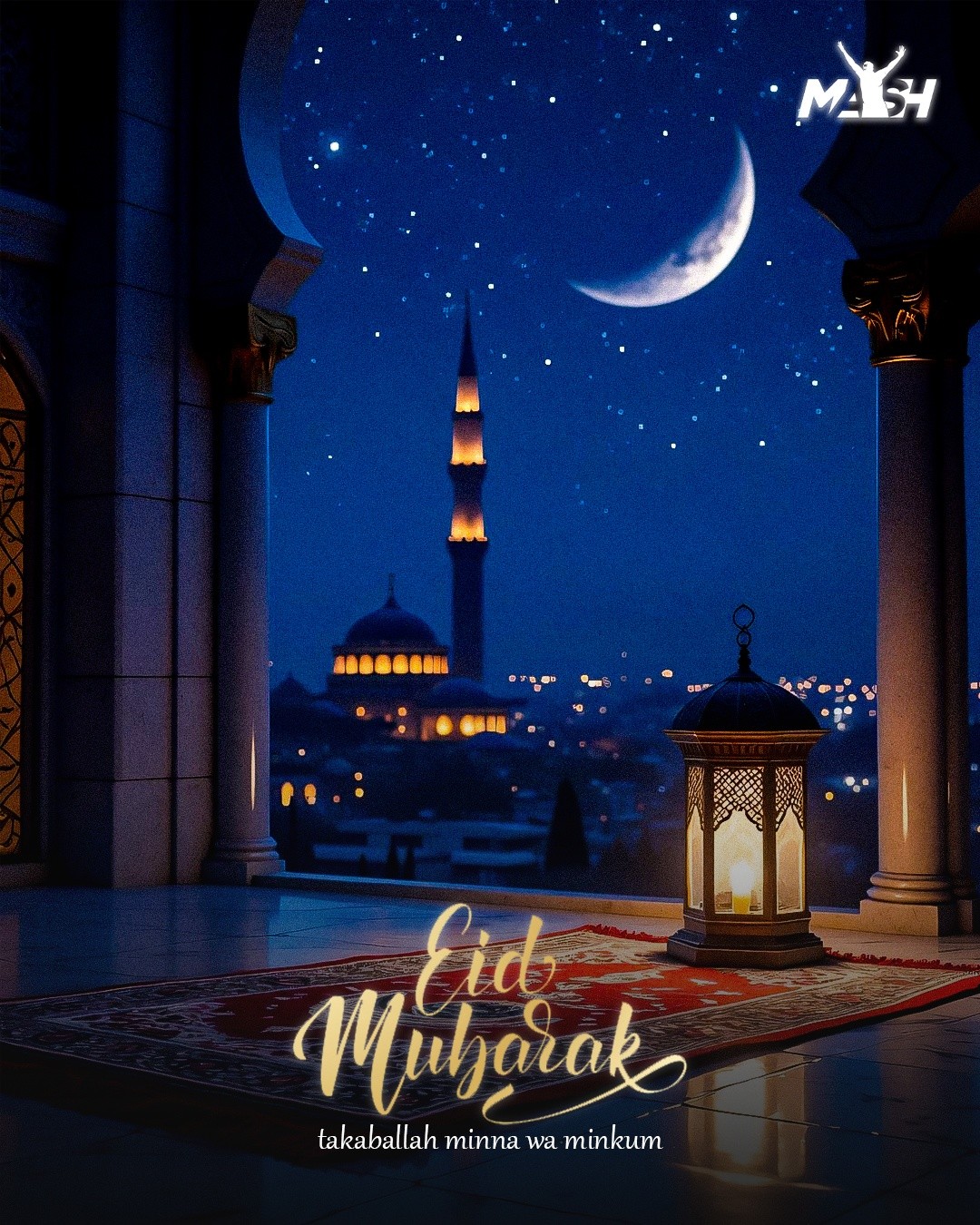
Today marks the joyous occasion of Eid, one of the most significant festivals in Islam. Celebrated by millions of Muslims around the world, Eid is not only a religious holiday but also a powerful expression of community, compassion, and gratitude. Whether it is Eid al-Fitr or Eid al-Adha, the spirit of Eid remains rooted in devotion, charity, and togetherness.
Eid in Nepal: Diversity and Harmony
In Nepal, Eid holds a special place among the diverse cultural and religious traditions that define the nation. According to the 2021 Nepal Census, the Muslim population in Nepal is approximately 1.48 million, accounting for about 5.09% of the total population.
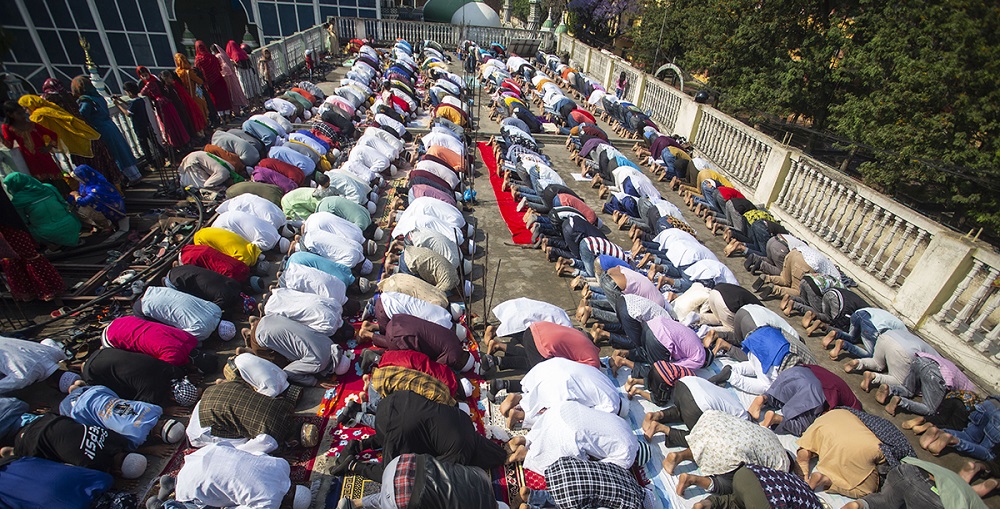
Though a minority, Muslims in Nepal contribute richly to the country’s cultural fabric, particularly in regions like the Terai. During Eid, mosques are filled with prayers, families gather to share meals, and communities extend generosity to those in need.
Global Muslim Population and Significance
Globally, the significance of Eid is even more profound. As of 2025, the Muslim population worldwide is estimated to be around 2 billion people, representing approximately 24–25% of the global population.
This makes Islam the second-largest religion in the world, with followers spread across every continent. From Southeast Asia to the Middle East, from Africa to Europe and the Americas, Eid is celebrated with diverse cultural expressions but a shared spiritual essence.
Muslim-Majority Countries Around the World
There are currently about 50 countries where Muslims form the majority. These include regions such as:
Middle East & North Africa (MENA):
Saudi Arabia, UAE, Qatar, Oman, Yemen, Egypt, Morocco, Algeria, Tunisia, Libya, Iraq, Iran, Jordan, Kuwait, Syria, Palestine, Bahrain, Afghanistan.
Sub-Saharan Africa:
Somalia, Sudan, Senegal, Mali, Niger, Chad, Djibouti, Gambia, Guinea, Sierra Leone, Burkina Faso, Mauritania, Comoros.
Central Asia:
Kazakhstan, Uzbekistan, Turkmenistan, Kyrgyzstan, Tajikistan.
South & Southeast Asia:
Pakistan, Bangladesh, Maldives, Indonesia, Malaysia, Brunei.
Europe:
Turkey, Albania, Kosovo, Bosnia and Herzegovina.
How Eid is Celebrated
Since this festival is marked by happily giving charity and sharing with the poor and needy, it is called Eid al-Fitr. According to the Arabic calendar, the celebration of Eid al-Fitr is determined after the sighting of the moon on the last day of the ninth month. It was stated that the Muslim community had begun a month-long fast (Roza) one month ago.
This fast is observed to cleanse the sins committed over the past year. During the entire month, the fast was observed from sunrise until sunset, and in the evening, prayers were offered upon sighting the moon.
After the prayers, it is customary to visit elders for up to three days. Younger people receive blessings, while guests are welcomed with delicious foods such as sevai (vermicelli pudding), dates, and sweets.
Charity and Meaning of Eid
Eid al-Fitr is deeply connected with charity. People happily donate and share with the poor and needy, ensuring everyone can celebrate.
The festival is officially confirmed after the sighting of the moon on the last day of Ramadan, according to the Islamic calendar.
The Importance of Roza (Fasting)
The Muslim community began a month-long fast (Roza) one month ago. This fasting is observed to cleanse sins and develop self-discipline.
From sunrise to sunset, Muslims abstain from food and drink. In the evening, prayers are offered, often marked by the sighting of the moon.
Message of Eid: Unity and Humanity
Beyond celebration, Eid carries a deeper message of patience, empathy, and forgiveness. It strengthens family bonds and promotes social harmony.
In multicultural societies like Nepal, Eid becomes a symbol of interfaith unity, where people from different communities share happiness together.
Conclusion
From Kathmandu to Cairo, from Jakarta to Istanbul, Eid reflects a universal message—peace, compassion, and gratitude.
As Nepal continues to embrace diversity, festivals like Eid remind us that unity in diversity is not just an idea, but a reality.