
Nepal is a land of diversity where dozens of indigenous groups contribute to the country’s cultural mosaic. Among them, the Magar community is one of the largest and most historically significant. Known for their bravery, hospitality, and deep-rooted traditions, the Magars represent an indigenous group whose contributions to Nepal’s history, society, and identity cannot be overstated. From their language to their rituals, every aspect of Magar life reflects the richness of Nepal’s multicultural heritage.
Magar Indigenous
The Magars are recognized as one of Nepal’s indigenous nationalities, officially classified under the Adibasi Janajati groups. Their origins are traced back centuries, and they are believed to have settled in the western and mid-western hills of Nepal long before the formation of a unified Nepali state. Districts like Palpa, Gulmi, Pyuthan, Rolpa, Rukum, Baglung, Tanahun and Myagdi are historically considered their homeland.
Traditionally, the Magars lived a life closely tied to nature. Agriculture, hunting, and animal husbandry formed the backbone of their livelihood. Their settlements were usually established in fertile valleys or on terraced hillsides, where they grew crops like maize, millet, barley, and potatoes. Unlike some other groups with a centralized political structure, Magars lived in smaller clan-based communities, where decision-making was often collective.
Over time, Magars became known for their bravery and martial skills. Many served in the Nepali army, as well as in the British Gurkha regiments and Indian army, earning international recognition for their courage. This martial tradition continues to be a source of pride, giving the Magar identity an added dimension of honor and respect.
Language
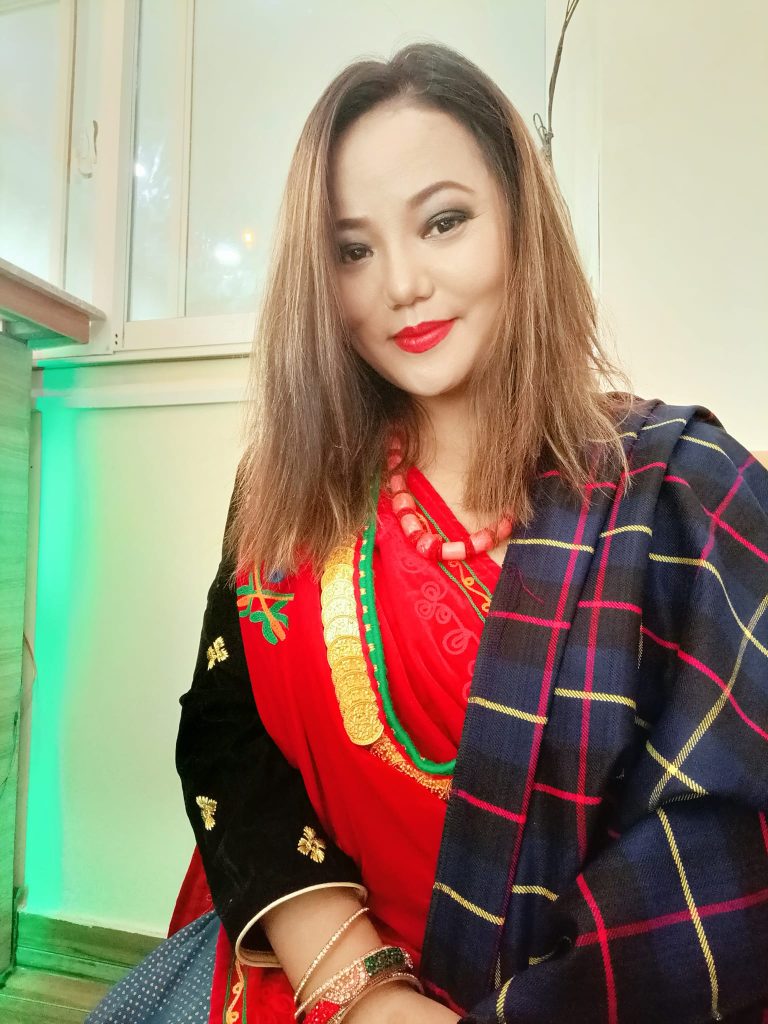
The Magar community speaks the Magar language, which belongs to the Tibeto-Burman family. However, the language is not uniform; it is divided into several dialects such as Kham, Kaike, and Dhut Magar, each with its own uniqueness. Kham is spoken in mid-western districts like Rolpa and Rukum, Kaike in Dolpa, and Dhut Magar in Palpa and surrounding areas.
Despite their linguistic diversity, all dialects of the Magar language face challenges today. With increasing migration, formal education in Nepali, and exposure to global languages, many younger Magars are more comfortable speaking Nepali or English. This shift has created concerns about the survival of the mother tongue.
To address this, efforts are being made by Magar organizations to preserve and promote their language. Educational materials, local radio programs, and community schools have started teaching Magar as a subject. Songs, folklore, and oral traditions are also vital tools in keeping the language alive. For the Magars, language is not only a means of communication but also a vessel of identity and heritage.
Kaura Dance
Culture and Ritual
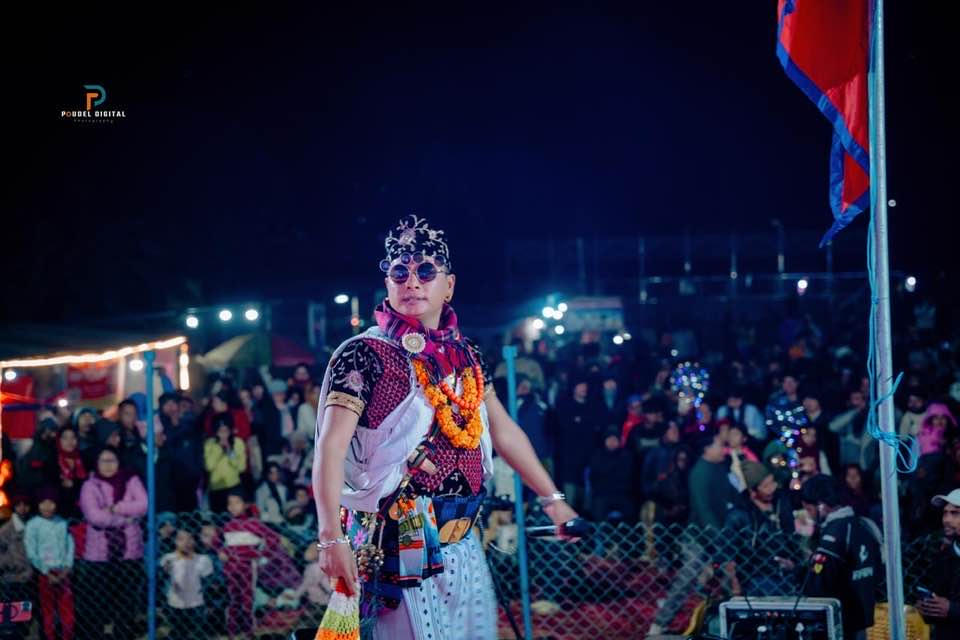
Magar culture is vibrant, colorful, and deeply rooted in collective celebration. Music and dance play an important role in their social life. The Sorathi dance and Maruni dance are among the most well-known, performed during festivals and gatherings. These dances often narrate stories of love, bravery, or community life, accompanied by traditional instruments like madal and flute. The Kaura dance is most popular among the Magar Community.
Festivals such as Maghe Sankranti hold special importance, symbolizing the transition of the sun and the arrival of longer days. Families come together to cook traditional dishes, share food, and honor ancestral spirits. Marriage rituals are also elaborate, blending traditional customs with modern practices. A wedding in a Magar community is not only about uniting two individuals but also about strengthening ties between families and clans.
Rites of passage are another central aspect of Magar culture. From birth to death, rituals are observed to mark significant life stages. For instance, naming ceremonies, purification rites, and funeral traditions all reflect their worldview and spiritual connection with ancestors. Community feasts are common in almost all ceremonies, underlining the value of unity and togetherness. Rituals are practiced in line with Hindu customs, with Hindu priests holding a dominant position in the community.
Religion
Traditionally, the Magars practiced animism and shamanism, worshipping nature, local spirits, and ancestors. The belief in shamans, locally known as Jhankris, is still strong in many rural areas. Shamans act as healers, spiritual guides, and mediators between humans and spirits, playing a central role in rituals and problem-solving.
Over the centuries, Magars also embraced elements of Hinduism and Buddhism, creating a unique religious blend. For example, many Magars observe Hindu festivals like Dashain and Tihar, while others follow Buddhist teachings and participate in Buddhist rituals. This dual faith practice demonstrates their adaptability and inclusiveness.
Today, the Magar religious identity is pluralistic. Some families identify as Buddhists, others as Hindus, and many continue to honor animist traditions alongside organized religions. This flexible approach has helped them maintain harmony within their community while adapting to wider societal changes.
Population and Opinion
According to Nepal’s census, the Magar are the third largest ethnic group in the country, with a population of over 1.8 million, accounting for nearly 7% of Nepal’s total population. While they are spread across the nation, the mid-western hills remain their cultural and demographic stronghold. Urban migration has also led to large Magar populations in cities like Kathmandu, Pokhara, and Butwal.
Public opinion about the Magar community is shaped by their history, values, and contributions. They are admired for their bravery, particularly their service as Gurkha soldiers, which has brought them recognition both nationally and internationally. Within Nepal, they are often described as hardworking, honest, and hospitable.
At the same time, like many indigenous groups, the Magars face challenges. Issues of political underrepresentation, language loss, and cultural dilution are concerns that many leaders within the community raise. Organizations such as the Nepal Magar Association actively work to promote rights, preserve traditions, and create awareness about Magar contributions to the nation.
In My Views
The Magar community is a vital thread in the rich fabric of Nepal’s diversity. Their indigenous roots, unique language, vibrant culture, blended religious practices, and significant population highlight their importance in shaping Nepal’s past, present, and future. Despite modern challenges, the Magars continue to embrace their heritage with pride while contributing to national unity and progress.
To understand Nepal fully, one must also understand its indigenous communities like the Magars. Their history, traditions, and values remind us of the resilience of culture and the strength of diversity in creating a nation that thrives on harmony and inclusion.