

Today, Dashain, the grandest and most cherished festival of Nepal, reaches its most significant day on Vijaya Dashami, also known as Tika day. It is on this day that people across the nation visit their elders, receive the auspicious red tika on their foreheads, and wear jamara, the sacred yellow-green barley shoots, as a blessing for prosperity and longevity. More than just a ritual, this tradition embodies family unity, cultural pride, and the eternal message of the triumph of truth and virtue over evil.
The Ritual of Tika and Jamara
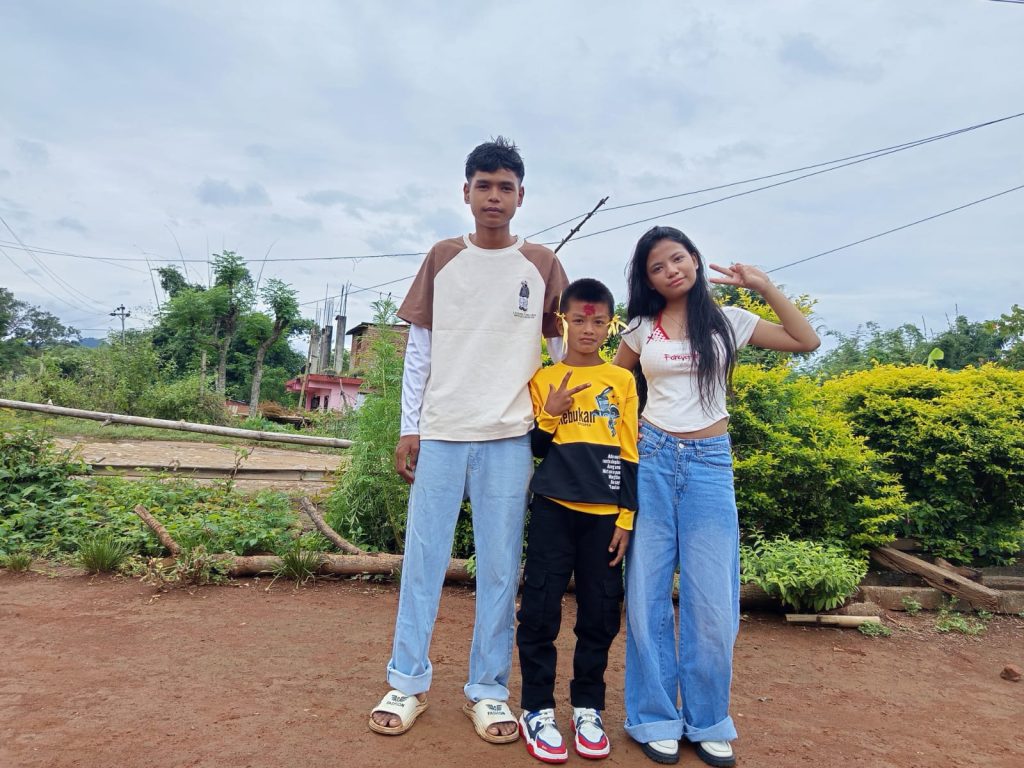
For nine days leading up to Vijaya Dashami, devotees worship the goddess Durga in various manifestations, offering prayers and performing rituals. The sprouts of barley and maize, known as jamara, are grown from the day of Ghatasthapana and nurtured with devotion until the tenth day. On Dashain tika day, these jamaras are blessed and worn on the head alongside the red tika, a symbol of auspiciousness and divine power.

Receiving an offering
According to the Nepal Panchang Nirnayak Samiti, the most auspicious time (sait) for tika this year was set at 11:53 a.m. However, religious scholars note that Vijaya Dashami is in itself so auspicious that tika can be received throughout the day without waiting for a specific moment. The red tika, symbolizing the power of victory, is offered along with jamara, which represents prosperity, good health, and harmony.
Symbolism of Victory and Faith
The festival carries a strong spiritual meaning rooted in mythology. In Hindu tradition, Vijaya Dashami commemorates Lord Rama’s victory over Ravana in the Treta Yuga, symbolizing the triumph of truth and virtue over falsehood and evil. Likewise, it also recalls Goddess Durga’s victory over the demon Mahishasura, reinforcing the belief that divine energy always prevails against negativity.
Thus, applying tika and jamara from elders is more than a custom; it is an act of receiving blessings that align individuals with this greater spiritual truth. Elders bless their younger ones with wishes for long life, wisdom, prosperity, and strength.
Ritual Practices and Beliefs
On this day, a special ritual is performed where water from the Kalash (sacred pot placed during Ghatasthapana) is used for abhishek, or sprinkling, before tika. This is believed to ensure peace and harmony throughout the year. The ritual also emphasizes purification, devotion, and renewal of energy.
Another fascinating aspect lies in the directions observed during tika. Since the moon on this Dashami is in the Capricorn (Makar) zodiac sign, scriptures suggest that those receiving tika should sit facing east, while those applying it should face west. This alignment is said to bring positive cosmic energy and prosperity to the family.
Moreover, jamara is not just symbolic but also holds scientific value. Studies suggest that the yellow shoots of barley carry medicinal properties and can act as natural remedies for certain ailments. This intertwining of science and spirituality makes the tradition even more profound.
Unity and Family Bond
Perhaps the most beautiful aspect of Dashain tika is the sense of togetherness it fosters. Families, often separated by distance and busy lives, reunite during this time. Younger generations bow before their elders, while grandparents, parents, uncles, and aunts lovingly place tika and jamara, accompanied by heartfelt blessings. The act symbolizes continuity of love, respect, and cultural values across generations.
Even those who cannot perform the ritual on the main day can continue to receive tika until Kojagrat Purnima, ensuring that no one is left without blessings.
In My View
As we receive tika and jamara, we not only carry the blessings of our elders but also reaffirm our commitment to live with truth, compassion, and courage. In this way, Vijaya Dashami continues to inspire Nepalese society with strength, harmony, and hope for generations to come.