
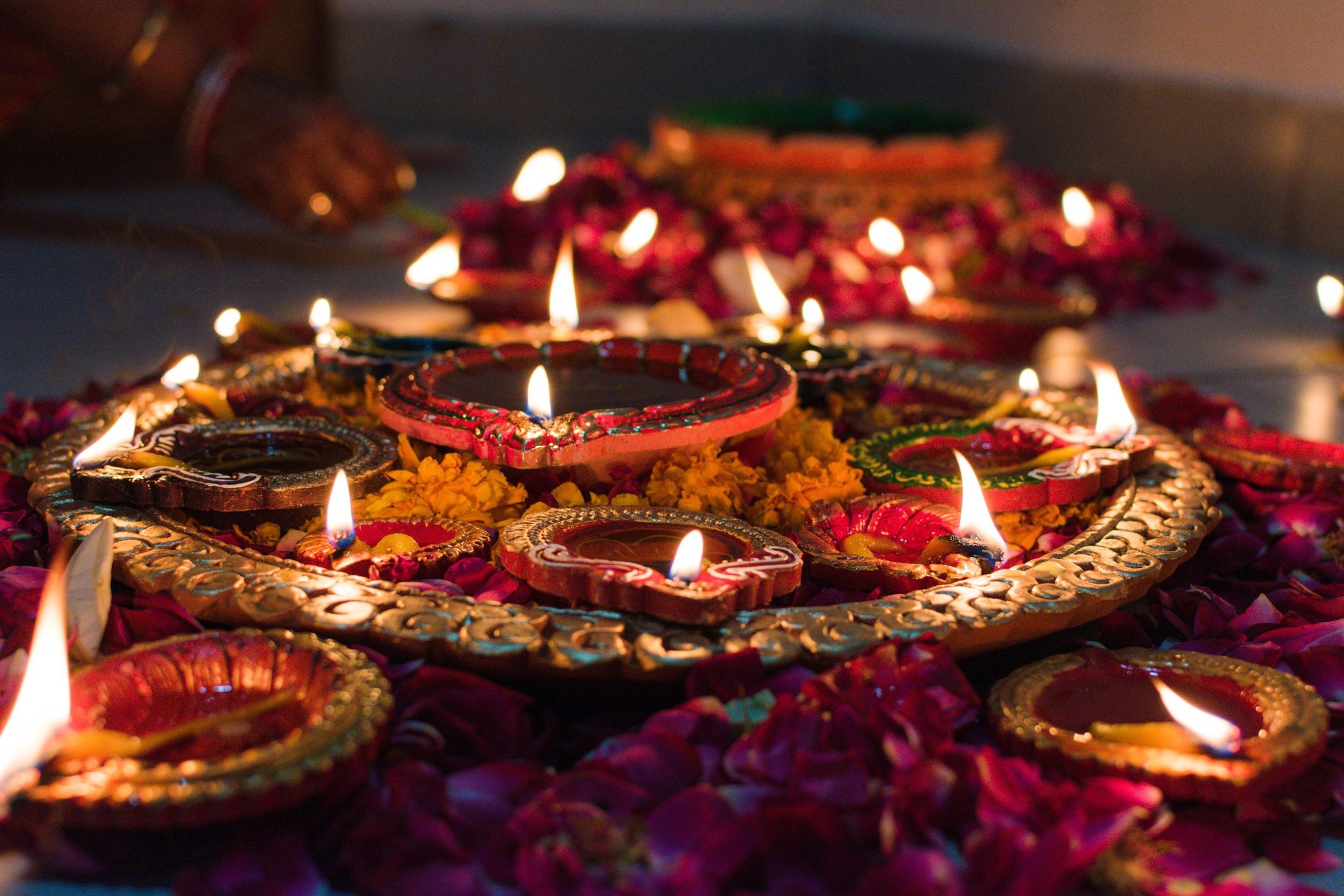
After the grand celebration of Dashain, Nepal once again lights up with joy, devotion, and colors as Tihar approaches. Known as the Festival of Lights, Tihar is one of the most beautiful and meaningful celebrations in Nepalese culture. It usually falls in October or November and lasts for five days, though the main celebrations often feel like three days of continuous excitement, warmth, and love.
Tihar is not only about rituals; it’s about connections — between humans, animals, and the divine. During this festival, people decorate their homes with diyo lamps, oil candles, colorful rangoli (patterns made of colored powders), and garlands of marigold flowers. The entire country glows in vibrant light, symbolizing the victory of good over evil and light over darkness.
Cultural Essence of Tihar
Tihar reflects Nepal’s deep cultural richness and harmony between religion and daily life. The festival honors different animals and gods each day, showing respect to all living beings.
-
Day 1 – Kaag Tihar (Day of the Crow): The crow, believed to be the messenger of death, is worshipped with offerings of rice and sweets early in the morning. People believe that feeding crows keeps sadness and misfortune away.
-
Day 2 – Kukur Tihar (Day of the Dog): On this day, dogs are honored for their loyalty and service. They are garlanded with marigold flowers, tika is placed on their forehead, and they receive delicious food. It’s a beautiful reminder that animals, too, deserve love and respect.
-
Day 3 – Laxmi Puja: This is one of the most important days. Houses are cleaned, decorated, and illuminated to welcome Goddess Laxmi, the goddess of wealth and prosperity. Families perform puja (rituals) in the evening, light oil lamps at doors and windows, and invite the goddess to bless their homes.
-
Day 4 – Govardhan Puja / Mha Puja: On this day, people worship oxen, which help in farming. In the Newar community, this day is also celebrated as Mha Puja, or the worship of the self — symbolizing purification and respect for one’s inner spirit.
-
Day 5 – Bhai Tika: The most emotional and joyful day of Tihar, Bhai Tika celebrates the sacred bond between brothers and sisters.
How to Receive Bhai Tika
Bhai Tika is the heart of Tihar. On this day, sisters pray for their brothers’ long life, prosperity, and happiness, while brothers promise to protect and care for their sisters. The ritual is full of love and tradition.
The ceremony takes place in a beautifully decorated space, often on the floor with a mandala (colorful design) drawn using rice, vermilion, and flowers. Sisters prepare a puja tray with sacred threads, flowers, sweets, fruits, betel nuts, and oil lamps.
When it’s time, the sister applies seven-colored tika on her brother’s forehead — each color representing a blessing. She places garlands of marigold flowers around his neck and offers sweets, fruits, and special dishes like sel roti and mithai. In return, the brother gives gifts, money, or clothes to his sister and bows to receive her blessings.
This ritual strengthens family ties and spreads a sense of gratitude and affection. Even brothers and sisters who live far apart try to reunite for this special day, and if not, they connect through video calls or send tika and blessings from afar — showing how tradition continues to live in modern times.
Religious and Spiritual Meaning
Tihar has deep religious significance in Hinduism. It’s believed that the festival celebrates the victory of light (truth) over darkness (ignorance). Worshiping Goddess Laxmi brings not only material wealth but also spiritual purity and positive energy.
The honoring of animals — crows, dogs, cows, and oxen — also reflects the Hindu philosophy of respecting all creatures as manifestations of the divine. Every ritual performed during Tihar carries the message of harmony, gratitude, and coexistence.
Moreover, Bhai Tika has a mythological background. According to legend, when the god of death, Yamaraj, visited his sister Yamuna, she welcomed him with tika, garlands, and delicious food. Touched by her love, Yamaraj blessed that any brother who receives tika from his sister on this day would not die untimely. Since then, this ritual has been passed down as a symbol of divine protection and sibling love.
My Personal View
For me, Tihar is more than a festival — it is a feeling of light, love, and togetherness. It brings families close, fills the air with laughter, music, and the fragrance of flowers. I enjoy watching children singing Deusi–Bhailo in the evening, neighbors sharing sweets, and every corner shining with lamps.
Receiving Bhai Tika from my sister is always a heart-touching moment. It reminds me of our shared childhood memories, the care she gives, and the silent bond that continues to grow every year. The colorful tika on my forehead is not just a ritual; it feels like a rainbow of blessings that brightens my life.
Tihar truly represents the beauty of Nepali culture — where faith, family, and festivity come together in perfect harmony. It is a festival that teaches us to respect every life, cherish our loved ones, and keep our hearts filled with light even in the darkest times.