
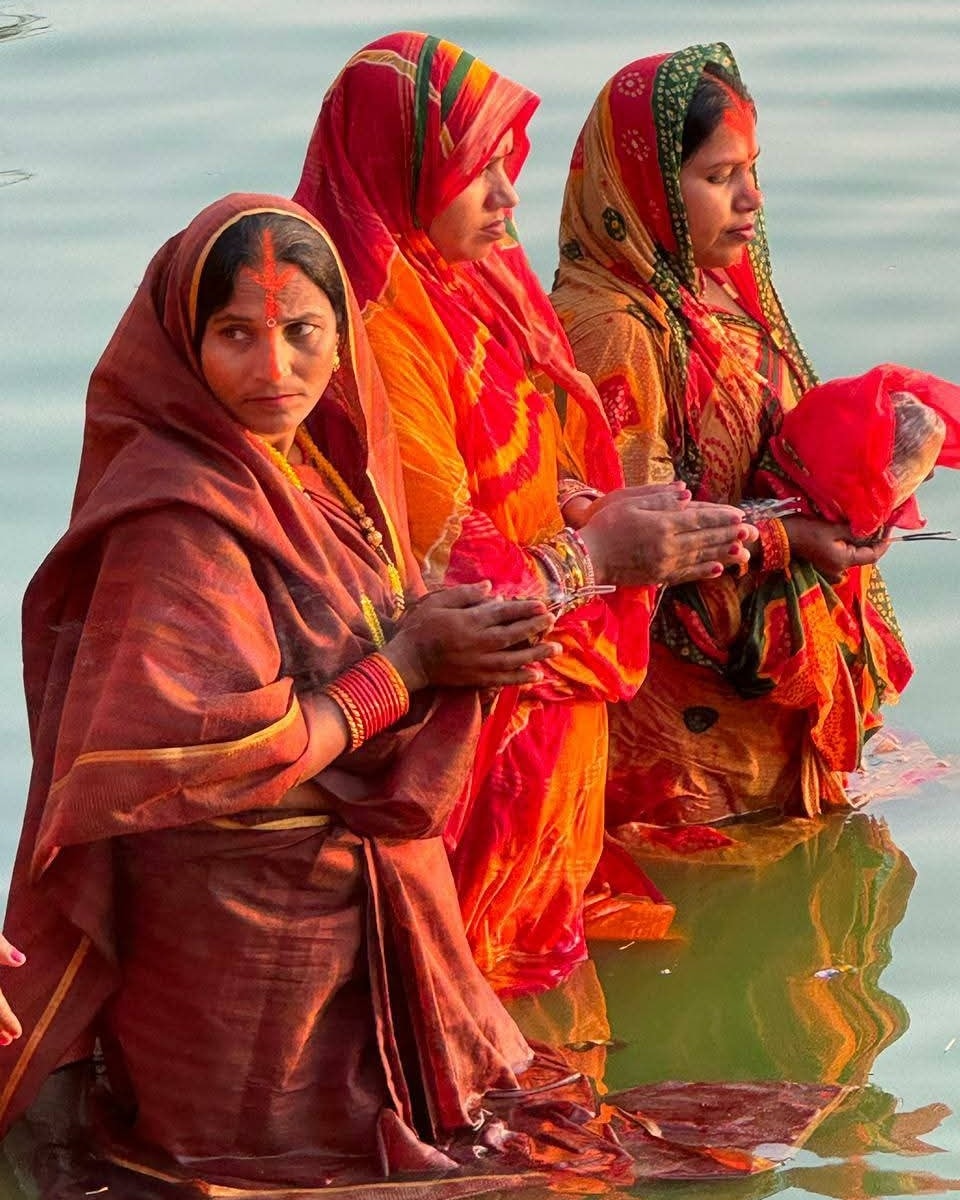
Today marks one of the most spiritually significant festivals in southern Nepal and India — Chhath, a celebration devoted to the Sun God (Surya Dev) and Chhathi Maiya, believed to be the sister of the Sun. This ancient Hindu festival holds deep cultural, religious, and environmental importance, especially among the people of Mithila, Bihar, Uttar Pradesh, and Nepal’s Terai plains.
Faith, Discipline, and Purity
Chhath Puja is celebrated with profound devotion and discipline. It is one of the few Hindu festivals without idol worship, focusing instead on nature’s elements — water, sunlight, and air — that sustain life on Earth. Through this ritual, devotees express gratitude to the Sun God for providing energy, life, and prosperity, while praying for the health and happiness of their families.
The Four-Day Ritual of Faith and Purity
The celebration of Chhath lasts four days, each filled with meaning and devotion.
1. Nahay Khay (Day One):
Devotees take a holy dip in rivers or ponds and prepare a pure vegetarian meal, marking the beginning of spiritual cleansing.
2. Kharna (Day Two):
A full-day fast is observed, ending after sunset with a sacred meal of rice pudding, fruits, and jaggery.
3. Sandhya Arghya (Day Three):
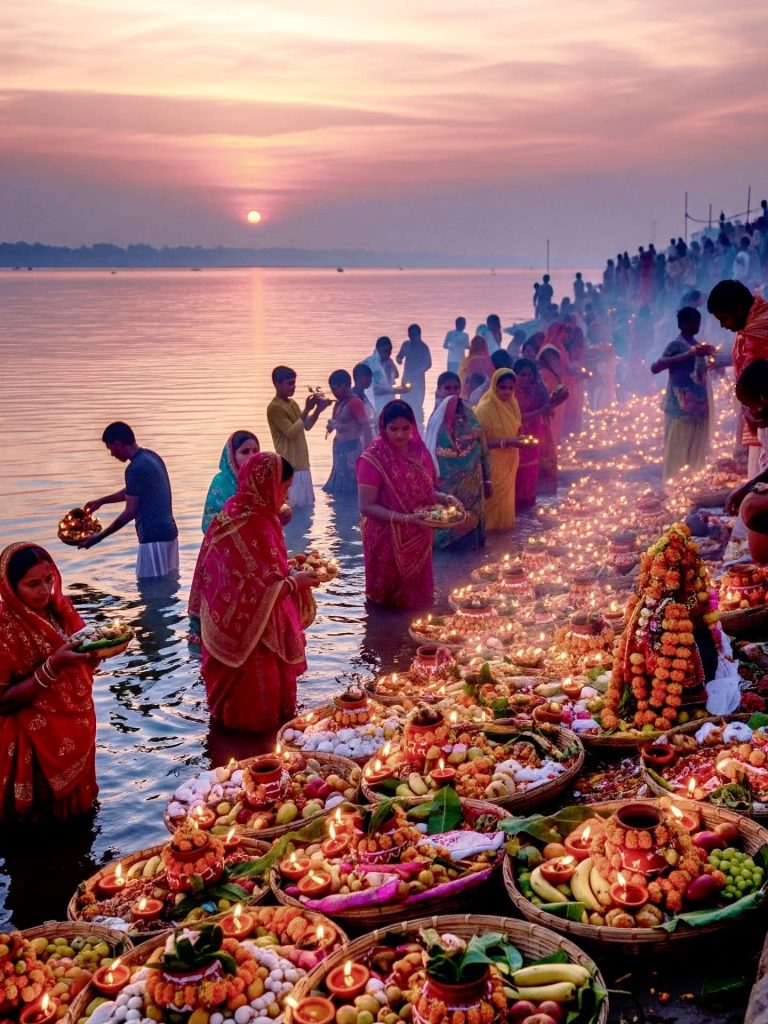
This is the most important day. Devotees — mostly women — undertake a waterless fast (nirjala vrata) and gather at rivers, ponds, or lakes in the evening to offer Arghya (sacred water offering) to the setting sun. The scene of hundreds standing waist-deep in water, holding baskets filled with fruits, sugarcane, coconuts, and earthen lamps, creates a truly divine atmosphere.
4. Bihaniya Arghya (Day Four):
The final morning begins before sunrise. Devotees return to the water bodies to offer prayers to the rising sun, symbolizing renewal and the completion of their fasting. They then break their fast and share prasad (holy offerings) with family and neighbors, spreading joy and blessings.
Key Aspects of Chhath in Nepal and India
- Worship of the Sun God: Honoring Surya Dev and his consort, Usha, as sources of life and strength.
- Four-day celebration: Beginning with Nahay Khay and continuing with strict fasting and prayers.
- Rigorous rituals: Observing fasts, avoiding water, and standing in rivers to offer Arghya to both the setting and rising sun.
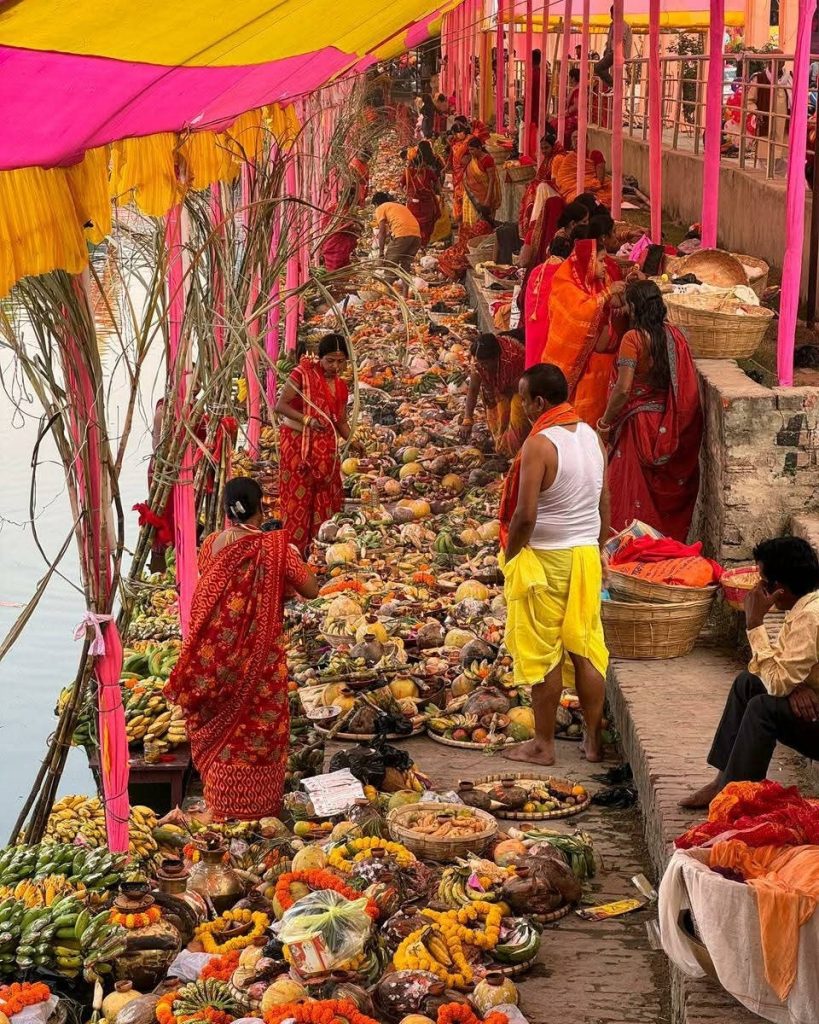
- Offerings: Fruits, coconuts, sugarcane, and Thekuwa — a traditional sweet made from wheat flour, ghee, and sugar — are key offerings.
- Purity and non-violence: Devotees avoid non-vegetarian food, onions, and garlic during the period.
- Environmental and social unity: The festival promotes cleanliness, purity, and equality, bringing together people from all backgrounds.
- Celebration sites: Major celebrations take place along riverbanks and ponds, especially in the Terai region of Nepal and across North India.
A Festival Beyond Religion — Symbol of Harmony and Nature
Chhath is not only a festival of worship but also a celebration of nature and harmony. Its rituals highlight the importance of clean water, air, and soil, showing an ancient understanding of environmental balance. Worshipping both the setting and rising sun reflects the cycle of life — endings and new beginnings — and reinforces humanity’s connection with nature.
Over the years, Chhath has transcended regional boundaries. It is now observed in Kathmandu, Delhi, Mumbai, and even abroad, wherever Nepali and Indian communities live. The festival’s inclusive spirit unites people regardless of caste, class, or background, promoting social harmony and shared faith.
The Timeless Spiritual Message
Chhath stands as a timeless reminder of devotion, discipline, and gratitude. The women who observe this demanding fast embody patience, resilience, and unconditional love, praying selflessly for their families’ happiness and prosperity. The festival’s simplicity — without lavish decorations or extravagance — reflects the true value of inner purity over outward display.
As the golden rays of the sun touch the rivers of Nepal’s Terai and India’s Bihar today, the chants, songs, and the glow of earthen lamps symbolize hope, harmony, and peace.
Chhath is more than a festival — it is a celebration of light, life, and gratitude, connecting humanity with the eternal rhythm of nature.