
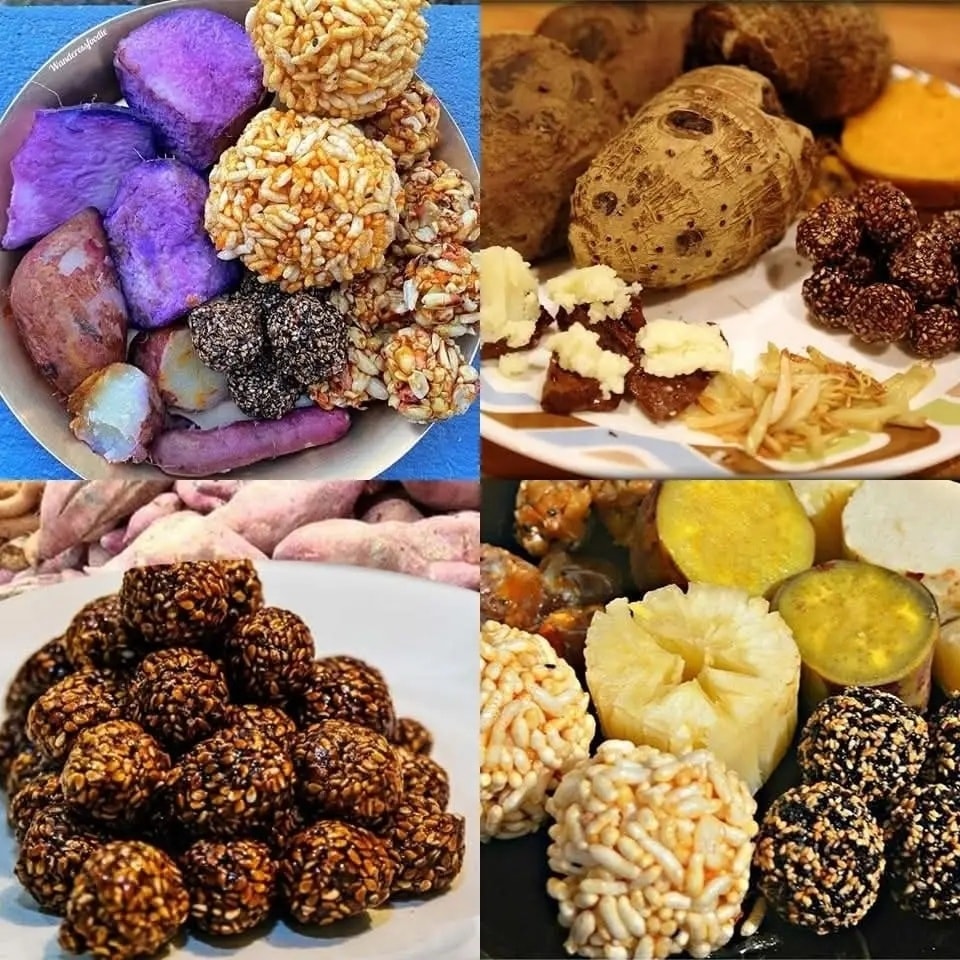
Magh is a special festival celebrated by the western Tharu community. Depending on the region, it is also known as Magh, Maghi, Khichara, Tila Sankranti, or Maghe Sankranti. Tharus of western Dang call it Magh, eastern Tharus call it Tila Sankranti, while Tharus of the central region (Kapilvastu–Chitwan) call it Khichara or Khichari. Tharu communities are densely settled in 26 districts, from Kanchanpur in the west to Jhapa in the east, including the Kathmandu Valley. This geographical spread is the reason behind the different names of the festival.
All Nepali communities traditionally celebrate this festival on the 1st of Magh as Maghe Sankranti. The festival derives its name from the month of Magh. Over time, it also came to be known as Maghi. Especially after the Tharu Welfare Council (Tharu Kalyankarini Sabha – THAKAS) began celebrating the Maghi Festival in Kathmandu from 2002, the term Maghi became more common. While western Tharus still call it Magh, eastern Tharus and those living in the Kathmandu Valley celebrate it as Maghi. Regardless of pronunciation, the festival essentially refers to Magh. It originated among western Tharus, who celebrate it as their most important festival and New Year.
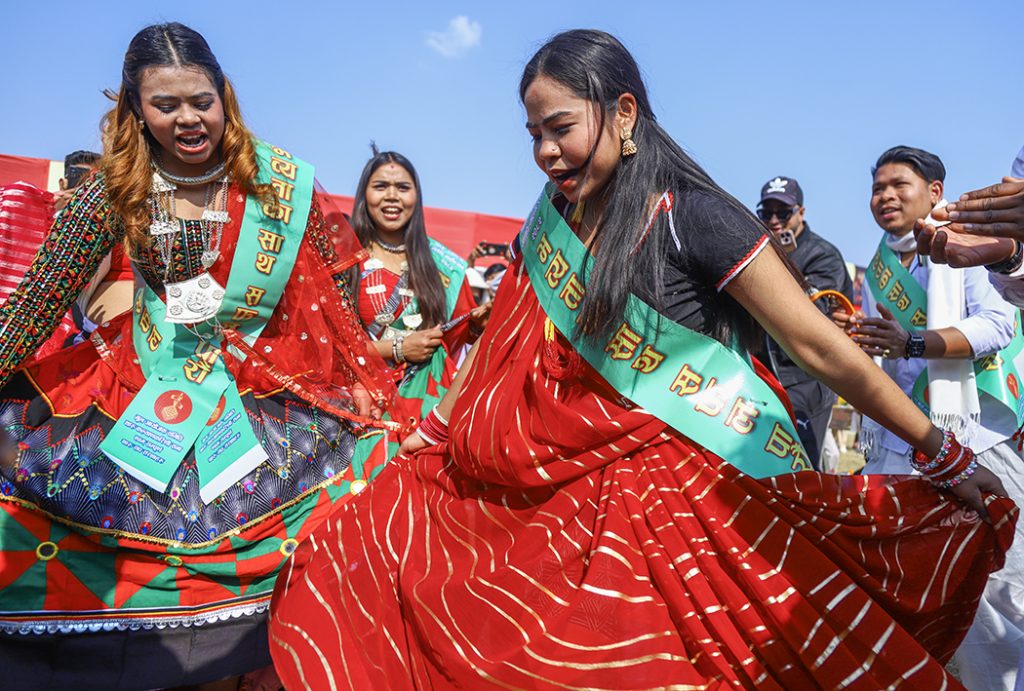
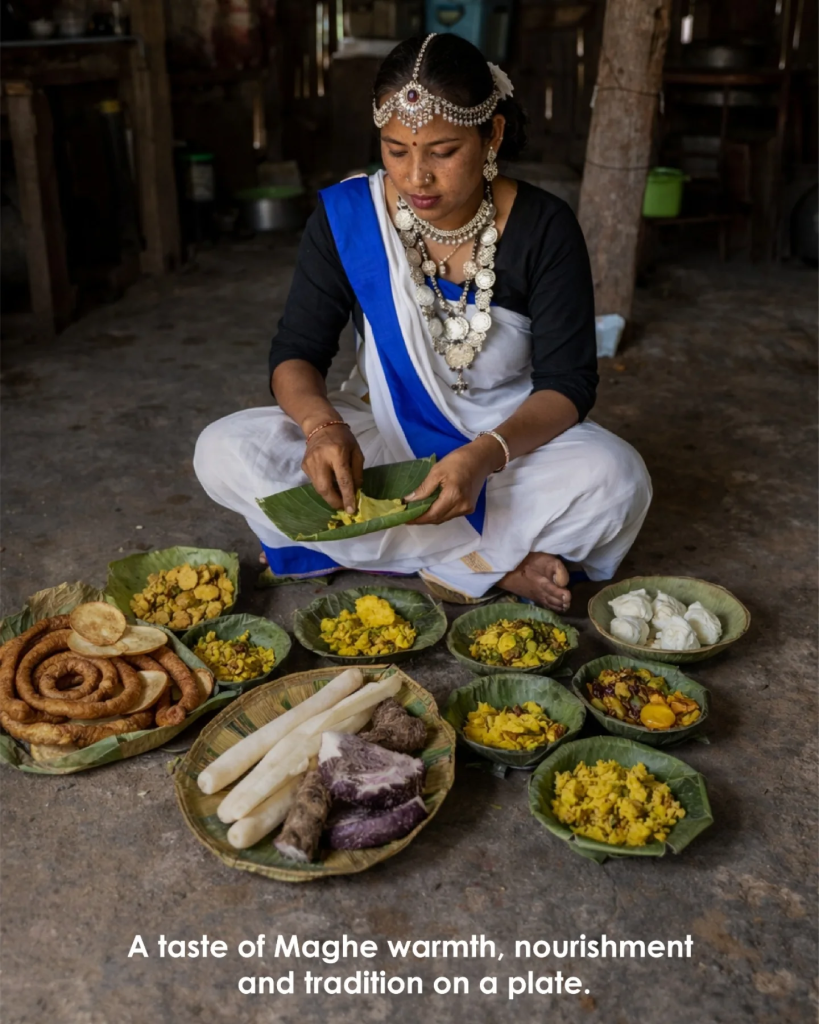
According to Nepali Wikipedia, Maghi is the main festival of the Tharu community and is regarded as their biggest cultural celebration. On the last day of Poush, Tharu villages traditionally slaughter pigs, a practice called Jita Marna. Special dishes such as dhikri, fish, snails, crabs, unpolished rice, beaten rice, homemade liquor, and rice beer are prepared. That night, Tharus stay awake singing Dhamar songs with traditional instruments, narrating their history, lifestyle, and agricultural life. These songs are oral traditions memorized by experienced singers, who are honored with food and drink for singing throughout the night.
Magh Lahan
Magh 1 is considered a sacred day. On this day, people go together with traditional music to nearby rivers or ponds to bathe, a ritual called Magh Lahan. Before bathing, coins are offered to the water deity. It is believed that bathing purifies the body and washes away sins committed throughout the year. Singing, dancing Maghauta, and moving together strengthen unity and cooperation within the community.
Blessings and Respect
After bathing, people seek blessings from elders through a ritual called Seva Dhog Ashirwad. Clean rice, salt, and lentils are offered as sacred symbols before receiving blessings for health, peace, and prosperity. This tradition strengthens family and community bonds.
Nisrau for Married Daughters
On Magh 1, married daughters receive special gifts called Nisrau, consisting of rice, salt, lentils, cash, and other items. Married daughters are invited to their parental homes, and if they cannot come, family members visit them to deliver Nisrau. This tradition deepens family relationships.
Festival of Reconciliation and New Year
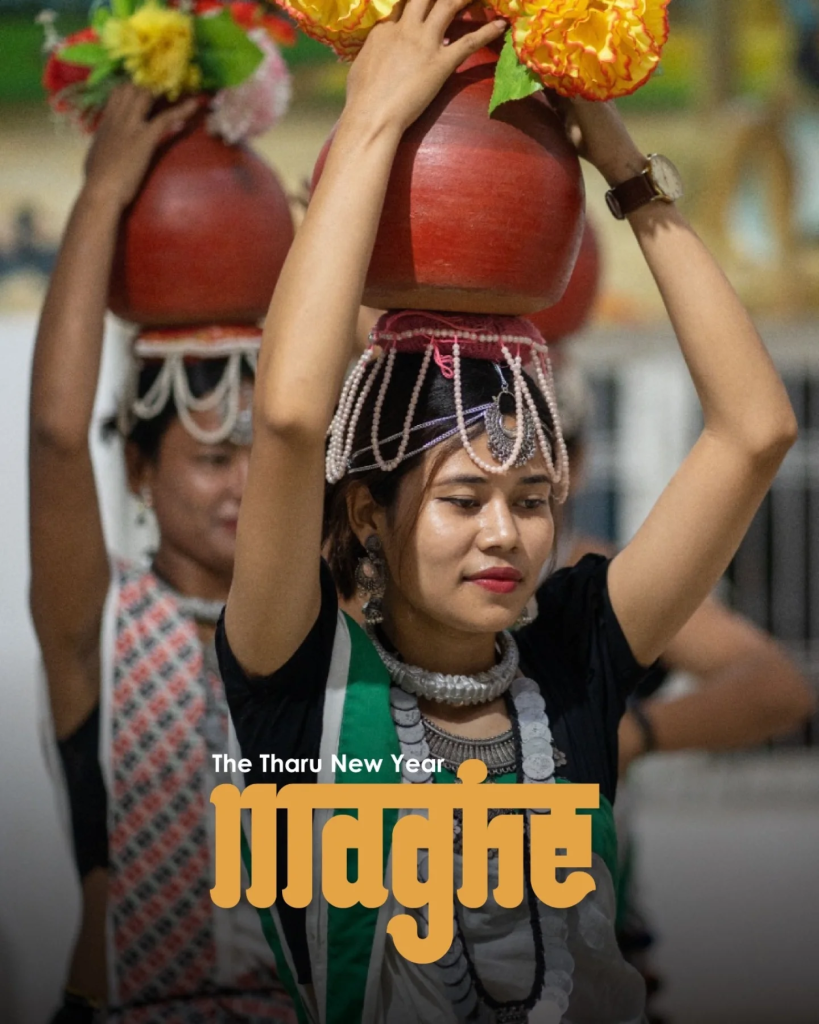
Maghi helps resolve conflicts and renew relationships through mutual respect and embraces. According to the Tharu calendar, this year marks Tharu Samvat 2649, and Maghi is celebrated as the Tharu New Year. Old accounts are settled, new responsibilities are assigned, community leaders are appointed, and new plans are made. Preparations for Maghi begin a month in advance, and today Maghi festivals across districts promote Tharu culture, generate income, and support tourism.