
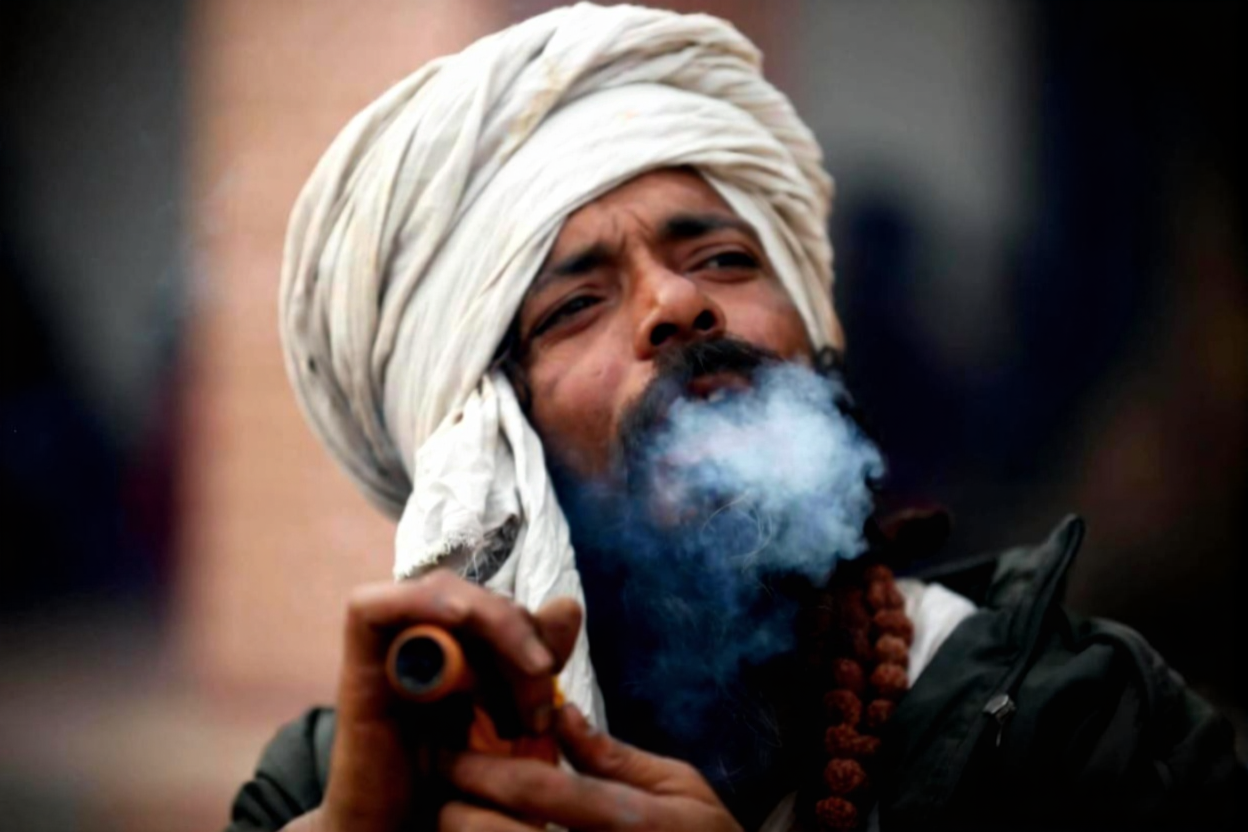
Today, Nepal is immersed in the sacred observance of Maha Shivaratri, one of the most important festivals in the Hindu calendar. Celebrated on the dark fortnight of Falgun, this holy night is dedicated to Lord Shiva, the symbol of transformation, balance, and compassion. Across the country—from the high Himalayas to the plains of the Terai—devotees gather in temples, homes, and sacred spaces to honor Shiva through fasting, prayer, meditation, and all-night vigil.
Maha Shivaratri literally means “the Great Night of Shiva.” Unlike many festivals marked by color, feasting, and daylight celebrations, Shivaratri is quiet, introspective, and deeply spiritual. It is believed that on this night, Lord Shiva manifested in his divine form, and that sincere worship performed at midnight brings peace in this life and liberation beyond it. For many, this night represents the victory of awareness over ignorance and harmony over chaos.
Rituals Rooted in Faith and Nature
From early morning, devotees purify themselves by bathing in rivers, ponds, and water reservoirs before heading to Shiva temples. Throughout the day, they observe fasting—some consuming only fruits and water, others maintaining complete abstinence. In temples, worshippers offer milk, water, bel leaves, flowers, and incense to the Shiva Lingam, each item symbolizing purity, devotion, and surrender.
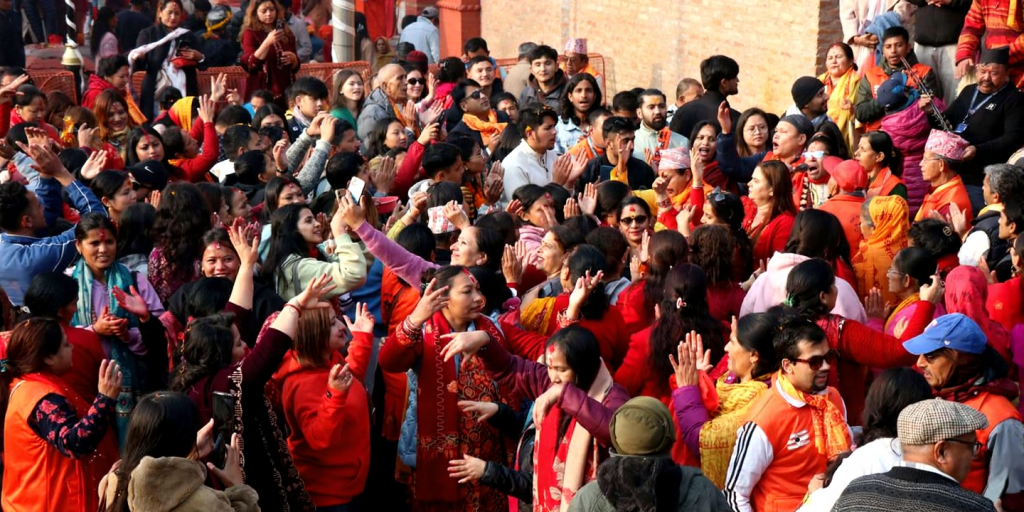
A unique aspect of Maha Shivaratri in Nepal is the lighting of sacred fires, or dhuni, in courtyards, crossroads, and temple premises. According to popular belief, Lord Shiva feels cold on this night, and lighting a fire is a gesture of warmth and reverence. Around these fires, devotees sing bhajans, chant mantras, and share prasad prepared from the same sacred flame. The atmosphere becomes one of collective devotion, where social boundaries dissolve and communities come together in shared faith.
Staying awake throughout the night is another important practice. The night is divided into four watches, each marked by special prayers and rituals. It is believed that those who remain awake with devotion attain spiritual merit and inner clarity. In a fast-paced modern world, this conscious pause—an entire night devoted to reflection—holds special meaning.
The Heart of the Celebration: Pashupatinath
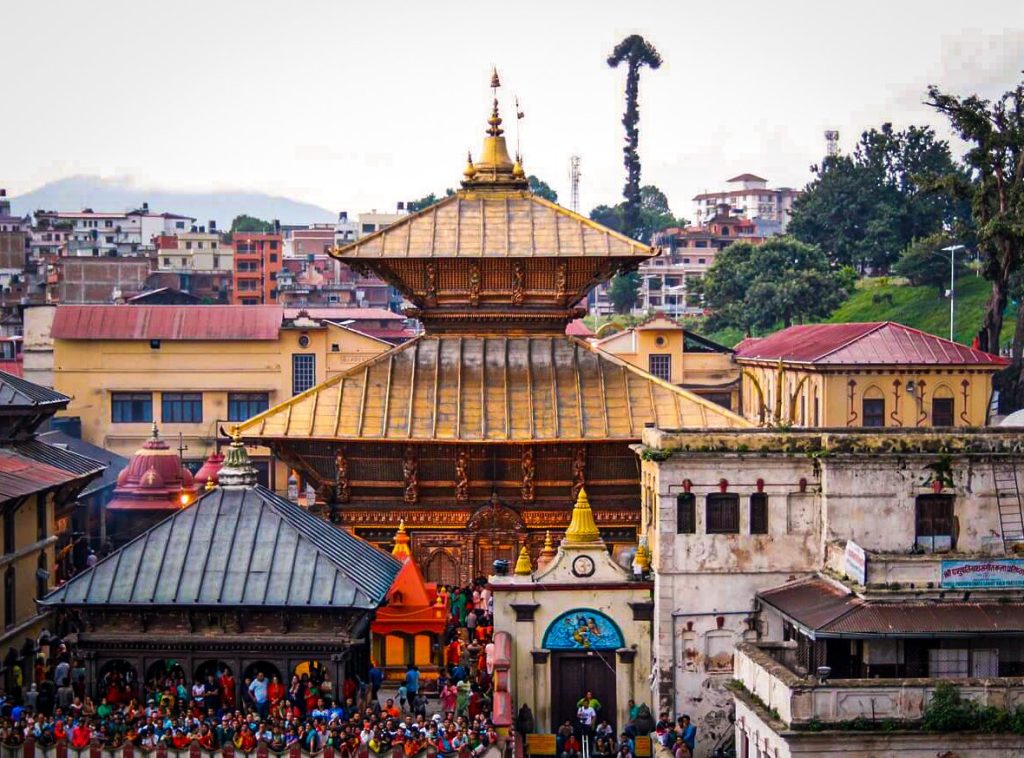
While Maha Shivaratri is celebrated in Shiva temples across Nepal, the spiritual epicenter of the festival is Pashupatinath Temple. Recognized as one of the holiest Shiva shrines in the world, Pashupatinath becomes a sea of devotion on this day. Hundreds of thousands of pilgrims, including many from neighboring India, arrive to offer prayers and seek blessings.
The temple complex resonates with the sound of bells, conch shells, and Vedic chants. Sadhus—holy ascetics from Nepal and India—gather here, their ash-smeared bodies and matted hair reflecting a life of renunciation and spiritual pursuit. Cultural performances, lamp-lighting ceremonies, and the offering of thousands of oil lamps add to the sacred grandeur of the night.
To manage the massive crowd, authorities make extensive arrangements, including multiple entry lines, security coordination, and public services. Despite the scale, the mood remains one of reverence and discipline, reflecting the deep respect devotees hold for the occasion.
A Festival of Meaning for Modern Times
Beyond rituals, Maha Shivaratri carries profound symbolic meaning. Lord Shiva embodies both destruction and creation—reminding us that endings are essential for new beginnings. In Nepal’s agrarian tradition, this symbolism is closely tied to nature. As winter fades and spring approaches, Shivaratri marks the transition from dormancy to renewal, mirroring the cycle of life itself.
For younger generations, Maha Shivaratri offers more than tradition—it offers perspective. The festival encourages self-control through fasting, mindfulness through meditation, and compassion through collective worship. In a time when distractions are constant, dedicating a night to stillness and reflection can be deeply grounding.
A Living Heritage
Maha Shivaratri is not just a religious event; it is a living cultural heritage of Nepal. It brings together faith, philosophy, music, and community in a way few festivals do. Whether one participates through temple worship, quiet meditation at home, or simply by observing the sacred atmosphere, the essence of the night remains the same: turning inward to find balance, clarity, and peace.
As the lamps glow through the night and chants echo into the early morning, Nepal once again honors Lord Shiva—not only as a deity, but as a timeless reminder of harmony between the inner self, society, and the natural world.