
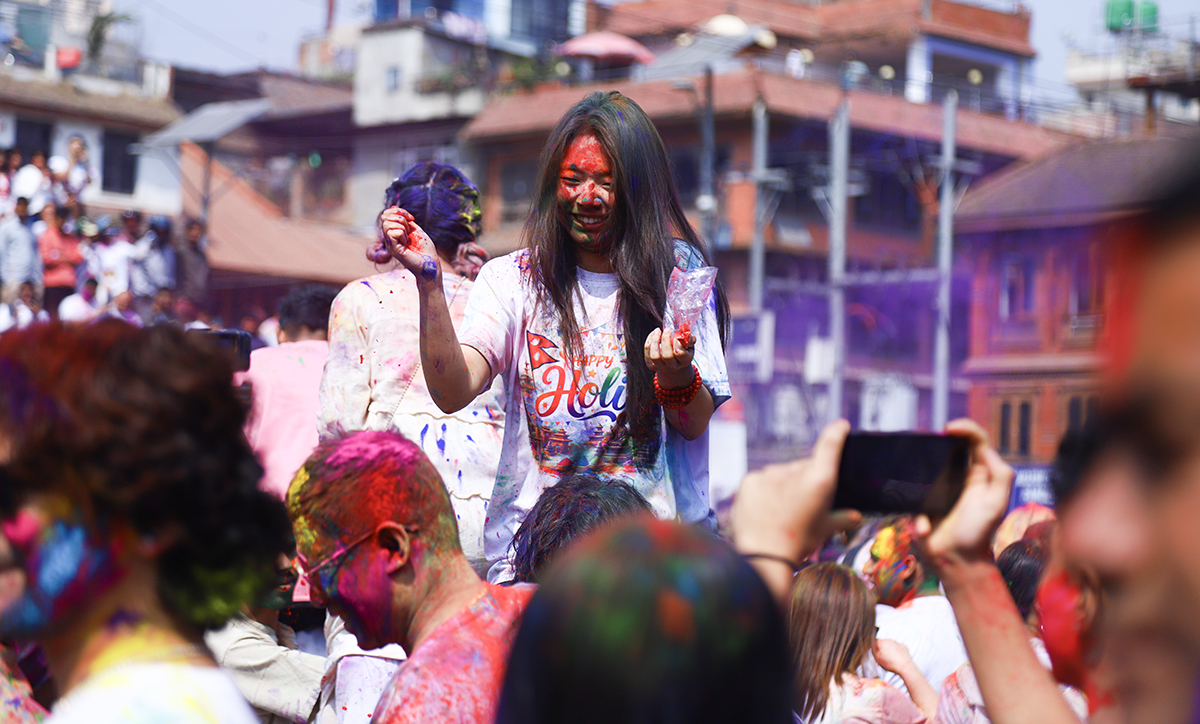
Today, Nepal marks the vibrant festival of Holi, a celebration of colors, joy, and togetherness observed across the country. Known as Fagu Purnima in the hills and celebrated a day later in the Terai, Holi is one of the most cherished festivals in Nepal, bringing families, friends, and communities together in a spirit of harmony.
However, this year’s celebration carries a slightly different tone. With national elections just around the corner, the Government of Nepal has requested citizens not to celebrate Holi in public streets, marketplaces, and crowded urban areas. The appeal is aimed at maintaining public order and ensuring security during the sensitive pre-election period.
Holi traditionally transforms cities like Kathmandu, Pokhara, and Biratnagar into colorful playgrounds. Young people gather in streets throwing colors and water balloons, music echoes from every corner, and groups dance openly in marketplaces. Yet this year, security agencies have urged people to limit celebrations to private homes and controlled environments, avoiding large public gatherings.
The government’s request is primarily focused on urban centers, where large crowds can create logistical and security challenges. With election preparations in full swing, authorities are prioritizing stability and peaceful campaigning. Public gatherings during Holi, especially in busy commercial zones, could potentially strain security arrangements already dedicated to election management.
Despite the advisory, the festive spirit remains alive—particularly in Nepal’s rural areas. In villages across the hills and plains, Holi is being celebrated freely and joyfully. The difference lies in the setting. Rural communities are generally less crowded, and celebrations tend to be more community-based and organized within familiar groups. Without dense marketplaces or heavy traffic, the risk factors present in cities are far lower.
In many villages, locals gather in open fields, courtyards, and community spaces to sing traditional Holi songs, play with colors, and share festive meals. Elders bless younger members of the community, and children run freely with laughter filling the air. The sense of unity and simplicity often makes rural Holi celebrations feel more traditional and intimate.
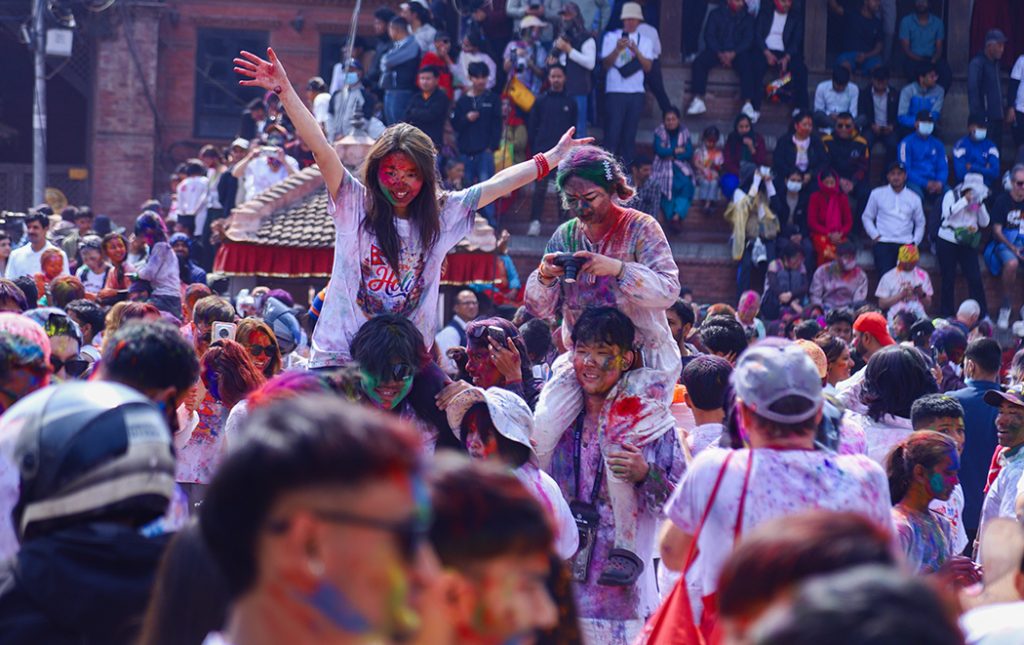
Celebrating Holi at Basantapur Kathmandu Today
This contrast between urban restraint and rural freedom reflects Nepal’s diverse social landscape. While city residents are adjusting to the government’s call for limited public celebration, rural communities continue their traditions with minimal disruption. The festival’s essence—spreading happiness and strengthening bonds—remains intact, even if the scale and style vary.
Many citizens in urban areas have responded positively to the government’s appeal. Some families are organizing small gatherings at home, celebrating with close relatives instead of large public groups. Social media posts show colorful faces and smiling families, demonstrating that Holi can still be meaningful without massive street celebrations.
Security officials have also emphasized that the advisory is temporary and tied specifically to the upcoming elections. Their goal is not to suppress cultural expression but to ensure a peaceful environment during a politically sensitive time. Elections are a cornerstone of democracy, and maintaining order during this period is crucial.
At the same time, the scenes from rural Nepal highlight the resilience of tradition. In less crowded regions, Holi continues much as it has for generations—simple, vibrant, and deeply rooted in community values. The laughter of children, the rhythm of folk songs, and the splash of bright colors against mountain backdrops create a powerful reminder of Nepal’s cultural richness.
Ultimately, Holi this year represents both celebration and responsibility. It shows how a nation can balance cultural heritage with civic duty. Whether in the quiet courtyards of a village or the limited gatherings of a city home, the spirit of Holi remains unchanged.
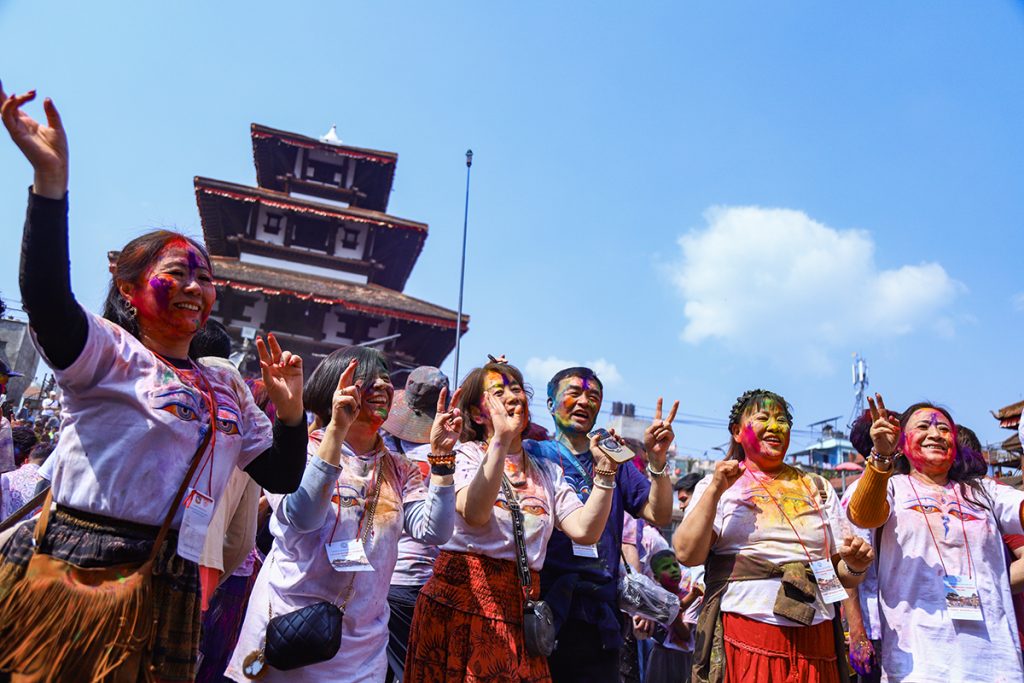
As Nepal moves closer to the election date, citizens are demonstrating maturity and cooperation. The colors may be slightly more contained in urban streets, but the joy in people’s hearts is just as bright. Holi continues to symbolize unity, forgiveness, and renewal—values that are equally important in festivals and in democracy alike.