

In the year 2026, Germany has emerged as one of the most discussed countries for foreign job seekers. The country has managed to open doors for international professionals in different fields of work, and for many individuals, especially from countries such as Nepal, Germany has come to mean not only better pay but also career advancement.
This blog will give the reader a complete overview of the different job sectors that are open to foreigners, the pay scale, visa requirements, and where to find employers in Germany.
In-Demand Job Sectors for Foreign Workers
Germany is facing a shortage of skilled labor in several industries. As a result, foreign workers are highly encouraged to apply in the following sectors:
1. Healthcare and Nursing
Germany urgently needs nurses, caregivers, and healthcare assistants. Qualified foreign nurses can apply, but they must often complete a recognition process and basic German language training (usually B1 or B2 level).
Germany has recruited over 300,000 foreign nurses in recent years, with a significant increase in 2024–2025, to address a massive labor shortage (approximately 150,000 vacant position by 2025). In 2024 alone, 13,000 new nursing staff secured permits, with 4,000 more coming via Western Balkan regulations.
2. IT and Software Development
The IT sector is booming in Germany. Jobs such as software developers, web developers, cybersecurity experts, and data analysts are in high demand. Many IT jobs may not require fluent German, especially in international companies.
In 2025, the demand for foreign IT professionals in Germany remains high, with roughly 109,000 unfilled IT positions reported by Bitkom in August 2025. While the total number of foreign IT professionals who successfully secured jobs in 2025 is not yet published in a single final statistic, the country continues to heavily rely on foreign talent, with 79% of companies predicting the IT skills shortage to increase further.
3. Engineering
Mechanical, electrical, civil, and automotive engineers are consistently in demand. Germany’s strong industrial base creates ongoing opportunities in engineering fields.
Germany faces a shortage in 163 occupations, with a particular need for engineers to replace an aging workforce.
4. Skilled Trades and Vocational Jobs
Electricians, plumbers, welders, construction workers, and technicians are highly needed. Germany also offers vocational training programs (Ausbildung) for foreigners.
Around 10,000 non-EU citizens immigrated to Germany for apprenticeship-based visas (Ausbildung) in 2022, with visa acceptance rates estimated around 73%–94% depending on the source, contract status, and applicant background. The pathway is highly successful for international applicants, particularly in shortage occupations, with a high chance of visa approval when a training contract is secured.
5. Hospitality and Tourism
Hotels, restaurants, and tourism businesses require workers such as chefs, waiters, and hotel staff, especially in major cities and tourist regions.
In 2025, Germany’s travel and tourism sector is projected to support 6.5 million jobs, representing 14% of national employment. While this reflects a major, record-breaking recovery with high demand for foreign professionals.
6. Logistics and Transportation
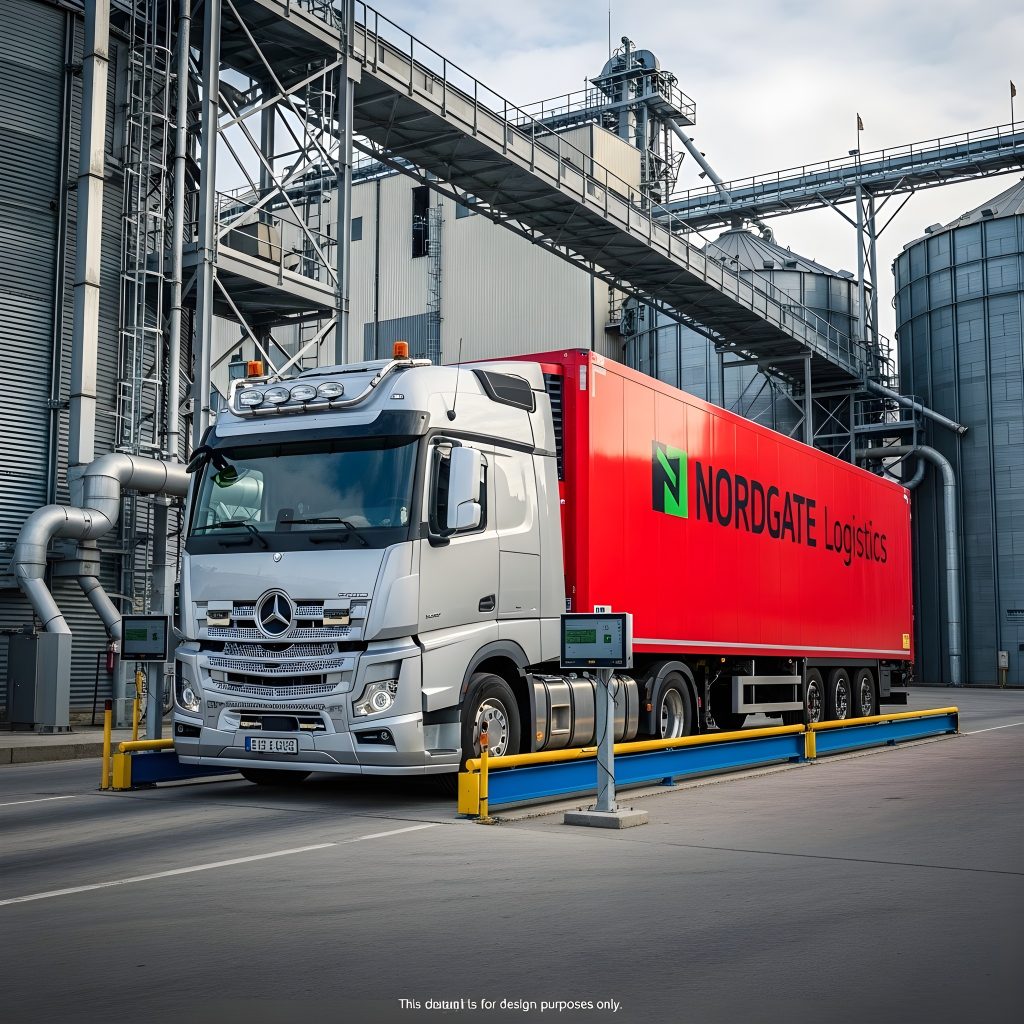
Truck drivers, warehouse workers, and delivery personnel are also in demand due to the growth of e-commerce and supply chains.
In 2024–2025, migrants represented 32% of workers in freight forwarding and logistics and 39% of professional drivers in freight transport. By 2025, Germany faced a shortage of over 70,000 to 120,000 professional truck drivers.

Advertising by institution for participation Ausbildung classes
Average Salary in Germany
Salaries in Germany depend on experience, qualifications, and the job sector. Here is a general idea:
- Nurses: €2,500 – €3,500 per month
- IT Professionals: €4,000 – €6,500 per month
- Engineers: €3,500 – €6,000 per month
- Skilled Workers (Electricians, Technicians): €2,500 – €4,000 per month
- Hospitality Workers: €1,800 – €2,800 per month
- Truck Drivers: €2,000 – €3,000 per month
Germany also provides social benefits such as health insurance, paid leave, unemployment insurance, and pension contributions, making it attractive for long-term employment.
Visa Process and Required Documents
To work legally in Germany, foreign workers must apply for a work visa. The most common types are the Skilled Worker Visa and the EU Blue Card.
Basic Requirements:
- Valid passport
- Job offer from a German employer
- Educational certificates (translated into German or English)
- CV (Curriculum Vitae)
- Work experience certificates
- Proof of language proficiency (German or English, depending on job)
- Health insurance
- Visa application form
- Proof of accommodation (in some cases)
For skilled jobs, your qualifications may need to be officially recognized in Germany. You can check this through the German recognition system.
The visa process typically takes a few weeks to a few months, depending on the embassy and your documentation.
How to Find Jobs and Employers in Germany
Finding a job in Germany requires proper research and preparation. Here are the most effective ways:
1. Online Job Portals
You can search for jobs through well-known platforms such as:
- Indeed
- Make it in Germany
These websites provide thousands of job listings for international applicants.
2. Company Websites
Many German companies post job vacancies on their official websites. If you have a target company, visit their career page regularly.
3. Recruitment Agencies
There are licensed recruitment agencies that help foreign workers connect with German employers. Be cautious and verify that the agency is genuine before making any payments.
4. Networking
Building connections is very important. Platforms like LinkedIn allow you to connect with recruiters, HR managers, and professionals already working in Germany.
5. Ausbildung (Vocational Training)
If you are younger and willing to learn, Germany offers vocational training programs where you can earn while you learn and later secure a permanent job.
5. Language Requirements
While some international jobs are available in English, learning German significantly increases your chances of getting hired and adapting to life in Germany. Most non-IT jobs require at least A2 to B1 level German.
6. Why Choose Germany in 2026?
Germany offers many advantages for foreign workers:
- Strong and stable economy
- High demand for skilled workers
- Good salary and worker protection laws
- Opportunity for permanent residency
- Access to high-quality healthcare and education
Additionally, Germany is located in the heart of Europe, making travel to other European countries easy and affordable.
Conclusion
Germany, as a destination in the year 2026, presents a wonderful opportunity for foreign job seekers. It promises a bright future in the fields of health care, information technology, engineering, and vocational jobs. But it requires proper preparation, including learning the language and actively searching for jobs.
Are you planning to work abroad? Then Germany is the right destination for you. Start preparing today and take the first step toward a bright future.