

In early 2026, several Schengen Area nations adjusted their immigration frameworks, raising salary thresholds, refining eligibility lists, strengthening enforcement, and prioritizing skilled talent. While headlines often framed these moves as a broad “tightening,” the reality is more nuanced: a shift from volume-driven migration toward a more selective, controlled, and economically focused system.
This isn’t a full closure of doors but a response to intersecting pressures: labor shortages in key sectors, housing and infrastructure strains, public opinion shifts, security concerns, and the need to sustain economic competitiveness amid aging populations.
The Context: Why Now?
Europe faces a demographic crunch. Many countries have low birth rates and retiring baby boomers, creating persistent vacancies in healthcare, IT, engineering, and trades. Yet rapid immigration inflows in prior years amplified strains on housing, welfare systems, and social cohesion.
Public sentiment has turned. Polls across Western Europe show growing support for stricter controls, with voters linking high immigration to rising rents, strained public services, and integration challenges. Right-leaning parties gained traction in elections, pushing mainstream governments to act.
The EU’s new Pact on Migration and Asylum (phased in around 2026) and national policies reflect this balance: curb irregular migration and abuse while opening clearer pathways for high-value contributors.

European agriculture
Key Changes in 2026
Higher Salary Thresholds and Selective Criteria Denmark led with notable adjustments effective January 2026. The Pay Limit Scheme threshold rose to DKK 552,000 annually (from DKK 514,000), with the supplementary scheme also increasing. Positive lists of shortage occupations were narrowed, and fees rose. Similar hikes or reviews occurred in the Netherlands, Germany, and elsewhere, ensuring foreign workers meet or exceed local wage standards to avoid undercutting or burdening systems.
Stronger Enforcement and Border Controls: The rollout of the EU’s Entry/Exit System (EES) in April 2026 and impending ETIAS enhanced tracking of stays, reducing overstays. Countries like Germany, France, and the Netherlands expanded temporary border checks, accelerated returns, and pursued “return hubs.” Asylum processes tightened with more “safe country” designations and faster deportations.
Focus on Skills Over Volume: Quotas remained stable in places like Switzerland (8,500 non-EU permits), signaling controlled access rather than cuts. Many nations prioritized researchers, innovators, and shortage occupations while making low-skilled or unproven pathways harder. France and others raised language/civic requirements for residency.
EU-Level Coordination: The Commission’s January 2026 Visa Strategy and Migration Strategy emphasize security (better screening, visa leverage against uncooperative third countries) alongside talent attraction via faster qualification recognition, Talent Partnerships, and digital tools.
Core Reasons Behind the Tightening
1. Housing and Infrastructure Strain: Europe’s housing crisis is acute. High net migration contributed to demand pressures in cities like Amsterdam, Berlin, and Paris, driving up rents and fueling resentment. Governments responded by making immigration more self-sufficient — higher salaries correlate with better ability to afford private housing and less reliance on social support.
2. Labor Market Protection and Integration: While shortages exist, unchecked inflows risk wage suppression in some segments or poor integration. Raising bars ensures migrants fill genuine gaps productively. Updated wage data and positive lists reflect real-time labor market needs.
3. Public Security and Irregular Migration: Persistent irregular arrivals, smuggling networks, and asylum backlogs eroded trust. Enhanced returns, employer sanctions, and digital borders aim to restore confidence in legal pathways. Geopolitical tensions added security layers to visa screening.
4. Fiscal Sustainability and Welfare: Aging societies need contributors, not dependents. Higher thresholds and compliance (e.g., stricter family reunification or post-study rules) aim to maximize net fiscal positives.
5. Political Realism: Governments responded to voter priorities ahead of or following elections. Selective skilled migration remains popular; broad low-skilled or irregular flows do not.
Not a Shutdown — A Reorientation Toward Talent
Importantly, many countries continue actively recruiting. Germany maintains pathways for skilled workers, Italy expanded flow decrees for permits, and the EU pushes Talent Partnerships. The goal is quality over quantity: attract engineers, nurses, researchers, and entrepreneurs who drive growth while maintaining social stability.
Digitalization (faster processing, interoperable systems) and intra-EU mobility improvements for legally resident non-EU workers further support legitimate talent.
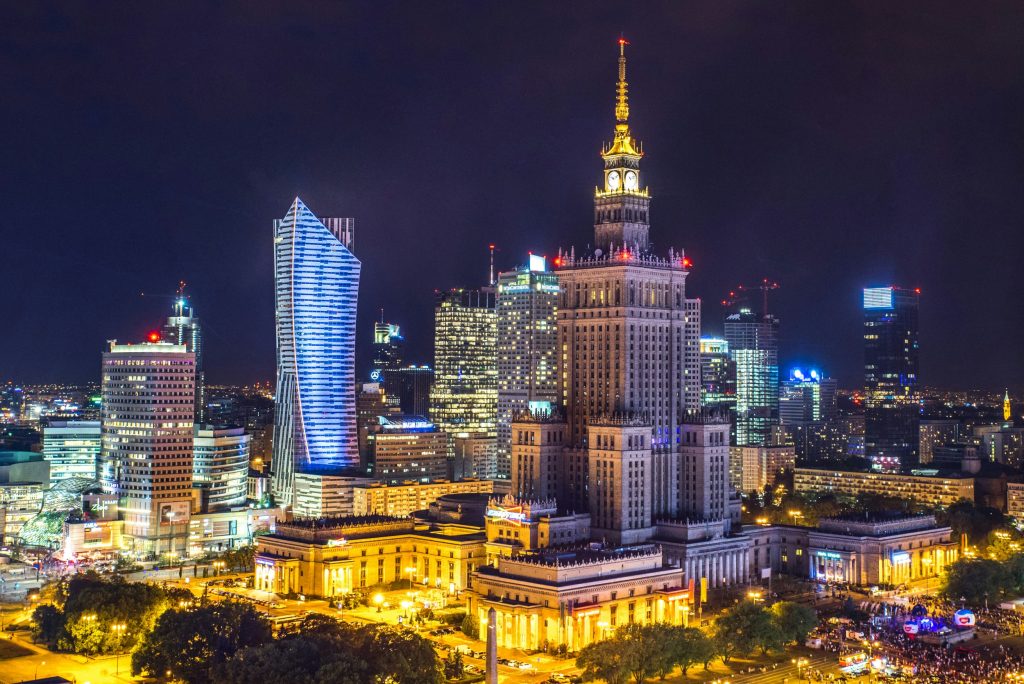
Poland
Implications for Non-EU Workers and Employers
- For applicants: Expect higher bars on salary, skills documentation, language, and compliance. Niche expertise in shortages offers the best odds.
- For employers: More sponsorship responsibility, audits, and preference for local/EU talent first in many cases. Planning ahead with clear shortage alignments is key.
- For the EU: Success hinges on execution — balancing firmness on irregular flows with attractiveness for legal talent.
Looking at the visa approval data from 2023 to 2025
The exact data for “work visas only” in Schengen countries is not published as a single number. Europe usually reports “first residence permits”, which include work, study, and family reasons. From that, we extract the work-related permits.
Key Data (Non-EU workers entering Schengen countries)
- 2023
- Work permits: 1.3 million (≈ 13 lakh)
- 2024
- Work permits: 1.1 million (≈ 11 lakh)
- 2025
- Official data not fully released yet
- Estimated: around 0.9–1.1 million (≈ 9–11 lakh)
Key Insight
- 2023 was a peak year for work permits
- 2024 saw a decline (about 200,000 fewer workers)
- 2025 shows stricter policies, fewer approvals, and more visa rejections
This matches your observation:
- Work permits have decreased
- Visa approval has become harder
- Even with permits, getting a visa is not guaranteed
Year Workers (millions)
2023 █████████████ (1.3M)
2024 ███████████ (1.1M)
2025 █████████? (~1.0M estimated)

Construction workers in Europe
Looking Ahead
The 2026 adjustments mark a maturing European approach: firm borders, selective gates, and strategic openness. Challenges like construction labor shortages and integration persist, so policies will likely evolve with economic data and politics.
For non-EU professionals, this environment rewards preparation, specialization, and adaptability. Europe still needs you — but it wants the right fit, contributing from day one.
My Opinion
In early 2023–2024, many Nepalis were receiving work permits and visas. At that time, most Nepalis were going to countries like Malta, Croatia, Romania, Poland, and Serbia. Only a few were going to Austria, Germany, Latvia, Bulgaria, and other European countries outside the Schengen area on work visas.
But now, work permits from most countries have almost stopped coming. Only a small number of work permits are being issued from countries like Malta, Bulgaria, and Romania, and even then, not all work permits lead to visas. For Nepalis, Cyprus seems to be the only country providing visas in a somewhat easier way.
On top of that, getting a travel visa has become even more difficult. Even financially strong individuals with good income and genuine travel plans are not getting visas easily. I myself have traveled to several countries, including Schengen countries, yet my travel visa was rejected once.